
Search Utah People Search
Utah People Search works best when you match the clue to the office that holds the record. A court trail usually starts with Utah courts. A local incident may start with a city police department or county sheriff. A broad public-records request often runs through GRAMA. A life-event check may need state vital records or the state archives. Utah has a strong mix of city, county, and state resources, but the search gets messy when those lanes blur together. This page keeps the main Utah People Search paths in one place so you can start with the right record type and move outward only when the first source points you there.
Utah People Search Quick Facts
Utah People Search Starting Points
Most Utah People Search work starts in one of four places. Court files start with the Utah courts system. Police and incident records start with a local department or county sheriff. Broad government record requests start under Utah GRAMA. Older or proof-based searches often end with the Utah State Archives and Records Service or the Utah Office of Vital Records and Statistics. That is the key structure for Utah. Once the record type is clear, the office choice gets easier and the search gets shorter.
The statewide court path is often the cleanest first check. Utah Courts XChange gives public case access, while the Utah Courts Directory helps you confirm the right courthouse. If you need free help navigating the court layer, the Utah State Law Library is one of the best public research resources in Utah. Those three sources give Utah People Search a strong court backbone before you ever move to a county clerk or city records desk.
The public-records lane is just as important. Utah uses GRAMA rather than FOIA for state and local records access. If the record belongs to a state agency, the Utah Open Records Portal can be the right starting point. If the record belongs to a city or county office, you usually need that local agency's own request path. Utah People Search works better when you treat public requests, court files, and local police records as separate lanes that sometimes meet but do not begin in the same place.
Utah People Search and Court Files
Utah court records are often the most useful public layer when a search turns into a case question. XChange can show whether a case exists, which court holds it, and how the docket has moved. That makes it a strong first stop when the search is based on a party name, a citation, or a case number. It also keeps you from contacting the wrong county clerk before you know which court owns the file. In a statewide Utah People Search, that matters because county and justice court paths can diverge quickly.
The official Utah court search at Utah Courts XChange Public Case Search is the main statewide case layer for Utah People Search work.
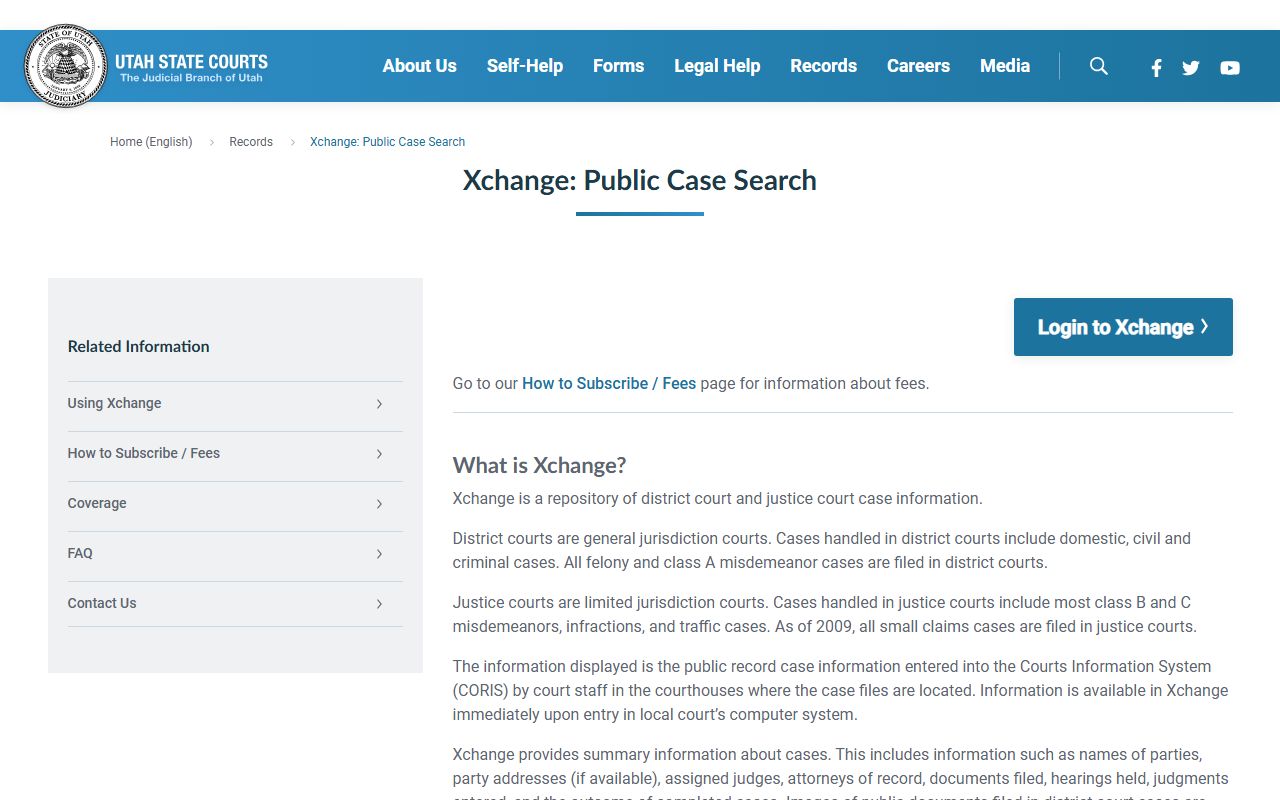
That image marks the clearest statewide court starting point when a Utah search needs a docket trail, hearing history, or public case confirmation.
The statewide court directory matters too. Utah has multiple district and justice court locations, and a person search can stall if the courthouse is wrong. The directory helps you confirm the local court before you request copies or plan an in-person visit. For Utah People Search, that simple confirmation step can save a lot of time.
The official Utah court directory at Utah Courts Directory helps narrow a People Search to the right courthouse before you ask for records.
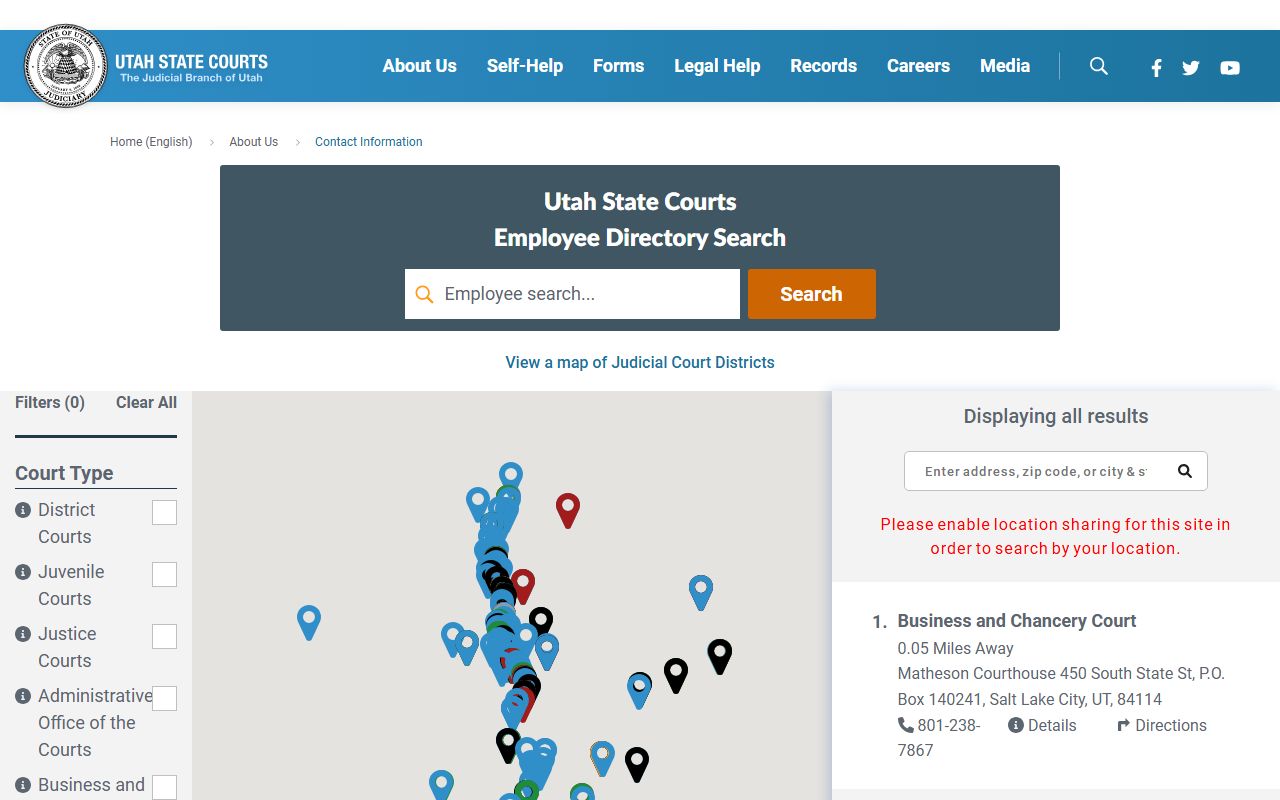
That image fits the court section because Utah searches often need courthouse routing just as much as they need the case search itself.
Utah People Search and GRAMA Requests
Not every Utah People Search starts with a court file. Many begin as a public-records request. Utah's open-records law is the Government Records Access and Management Act, usually called GRAMA. GRAMA is the statewide rule that explains how Utah agencies classify public, private, and protected records, and how they respond to written requests. You do not need to memorize the statute to use it well, but it helps to know that the law shapes how state, county, and city offices answer records requests across Utah.
The Utah GRAMA statute at Title 63G Chapter 2 is the statewide records-access backbone behind Utah People Search requests.
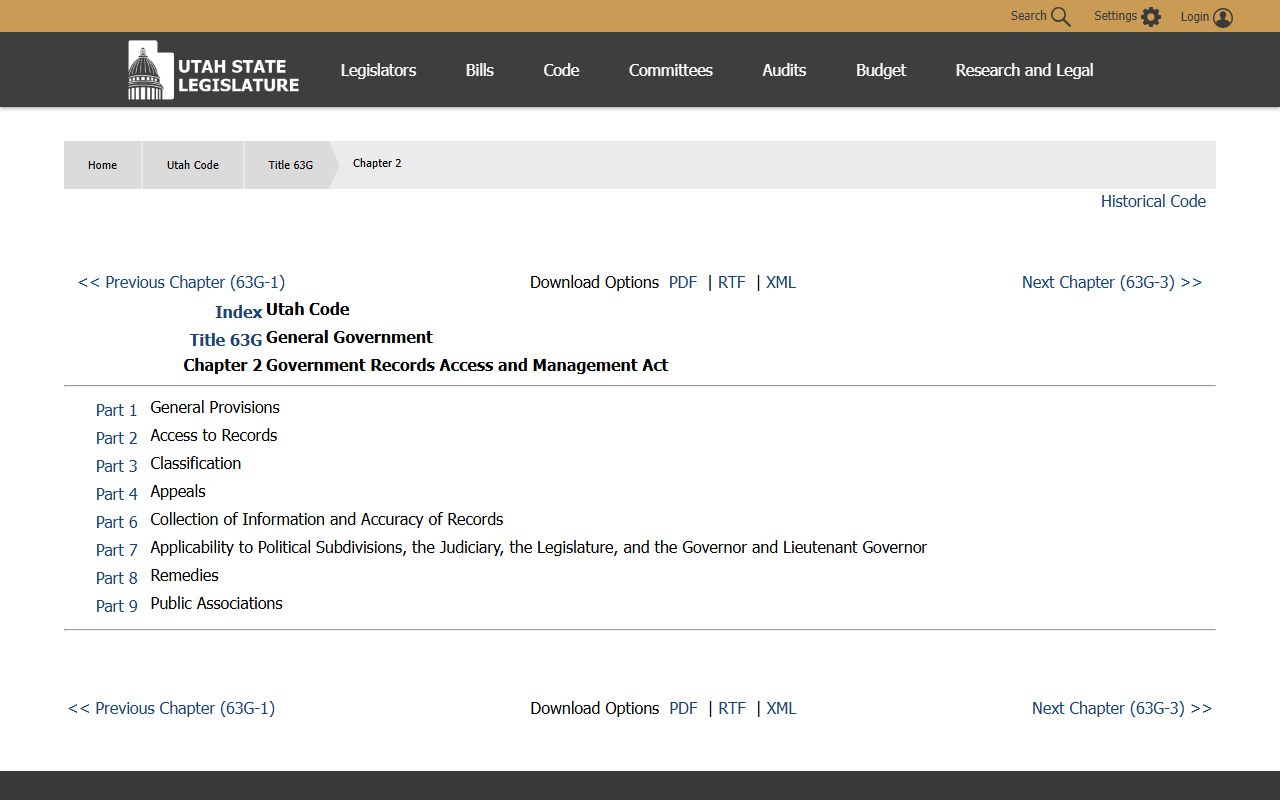
That image belongs here because Utah public-records work gets easier once you know the law that governs how agencies respond.
State agencies in Utah also use a centralized request system. The Utah Open Records Portal is useful when the record belongs to a state department rather than a city police agency or county clerk. If the search belongs at the local level, though, the better move is usually the county or city request path. Utah People Search is more precise when the request starts with the agency that owns the file instead of the broadest possible portal.
Archives matter once a Utah search leaves the active office stack. Older city records, county documents, and historical state material can move into the archives rather than staying with the live office that created them. That makes archives a real search layer, not just a research extra.
The archive path at Utah State Archives and Records Service is the best state backup when a Utah People Search moves beyond active records and into historical files.
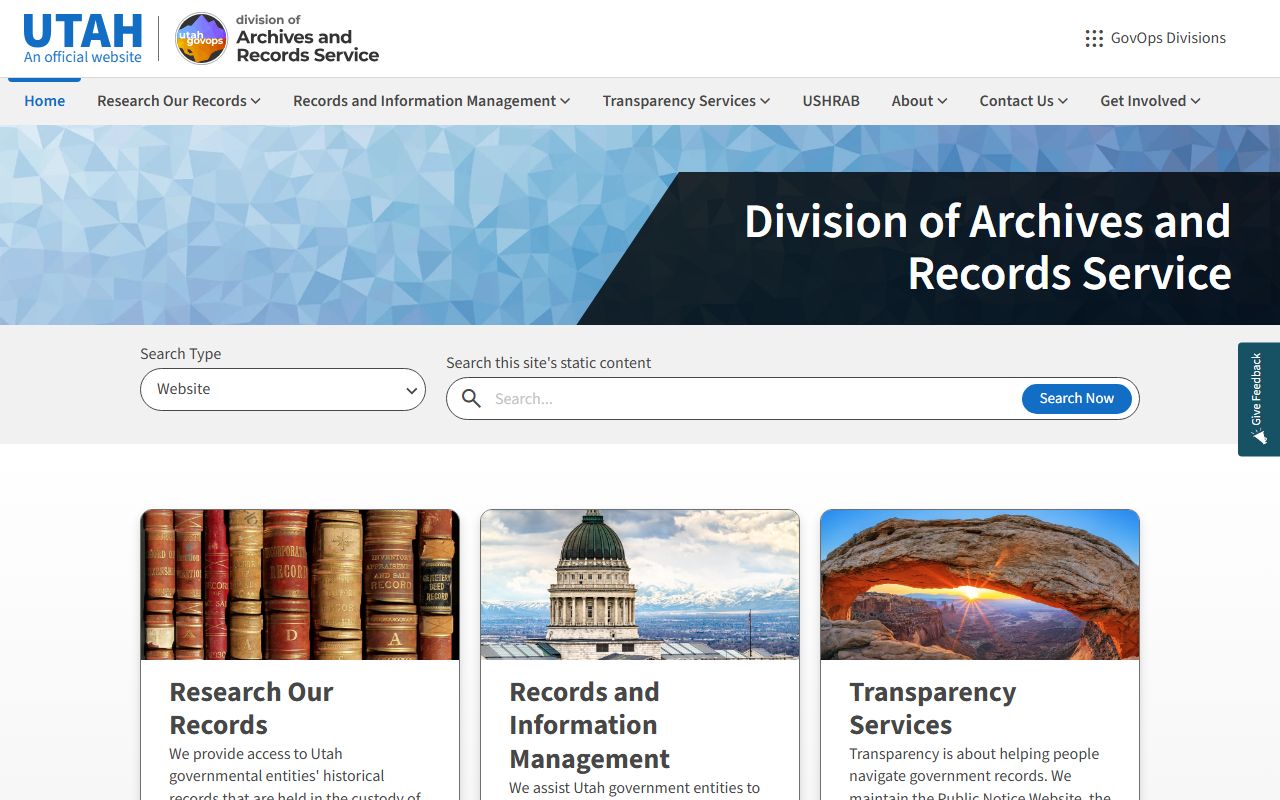
That image marks the historical layer of Utah People Search, which matters when a live agency no longer keeps the most useful copy.
Utah People Search and Identity Records
Some Utah searches are not really about a case. They are about proving identity, checking a life event, or finding the right person when several records look similar. That is where state verification sources matter. The Utah Office of Vital Records and Statistics is the statewide source for marriage and divorce verification records. That can be the cleanest way to connect two records to the same person without forcing a city police file or county clerk office to answer a question it was never meant to answer.
The statewide verification path at Utah Vital Records is often the cleanest next step when a Utah People Search needs proof of a marriage or divorce record.
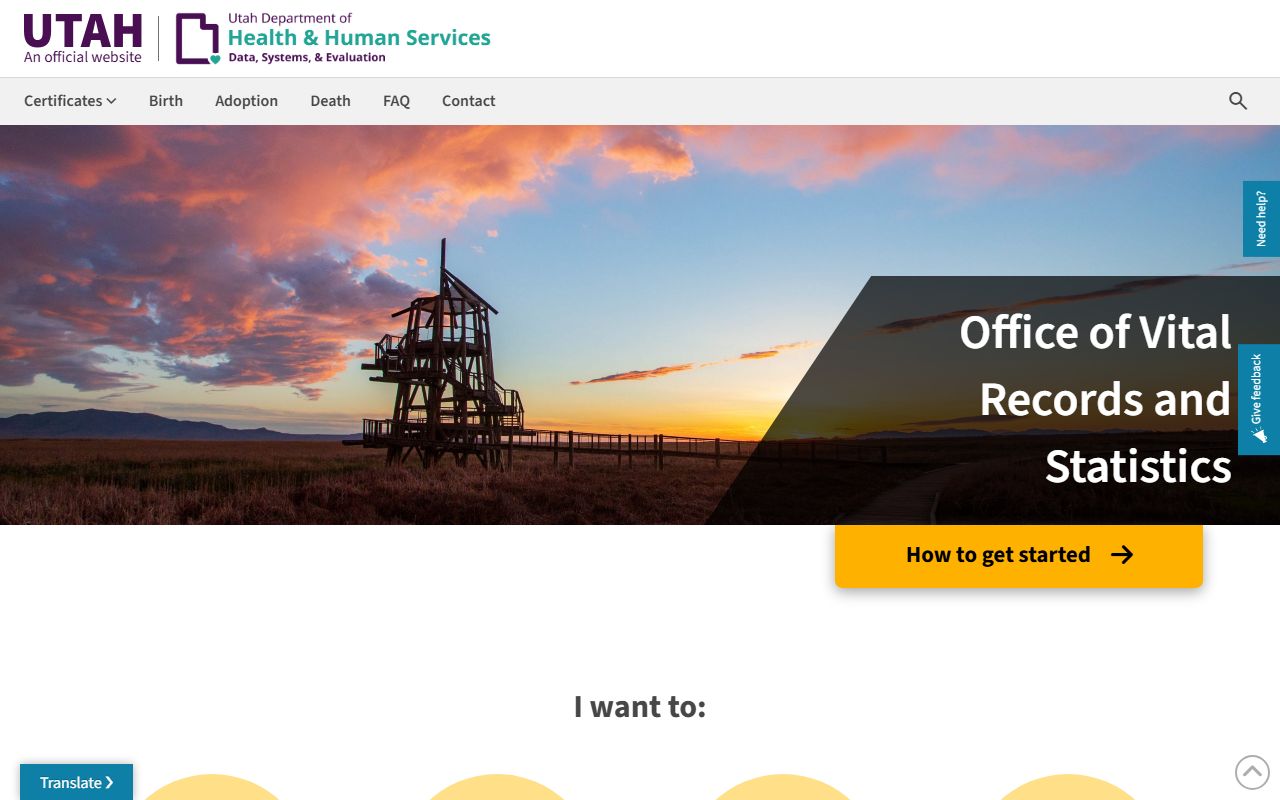
That image marks the statewide verification layer, which is often how a Utah search closes the loop on identity instead of chasing another local report.
Utah also keeps a state criminal history system through the Utah Bureau of Criminal Identification. For People Search work, the useful point is not broad screening. It is that Utah has a distinct state repository for personal criminal-history records and corrections-related information. If a search is about your own state record, the Utah BCI path matters in a way that a county sheriff roster or city police page does not.
The state criminal-record path at Utah BCI Criminal Records is a separate Utah source when a People Search becomes a personal state-record question.
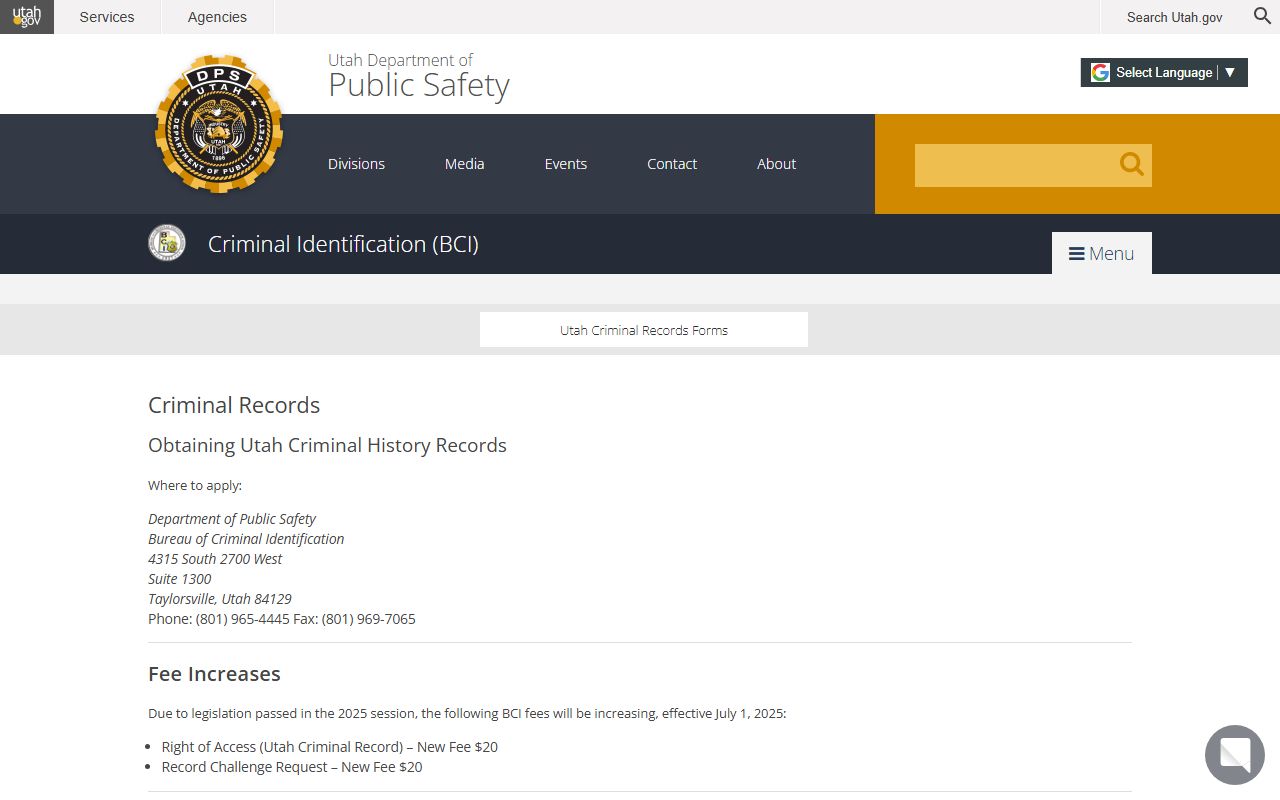
That image fits the identity section because Utah keeps some record questions at the statewide repository rather than with a local police desk.
The legal framework around those records also matters. The Utah Criminal Identification Act explains part of the state record structure, and the Utah Clean Slate project shows why some criminal-history items may not appear the way a searcher expects. Utah People Search gets better when you understand that record availability can change over time and not every missing item means the event never happened.
The Utah criminal-identification framework at Title 53 Chapter 10 helps explain why some state record paths look different from local police or county court searches.
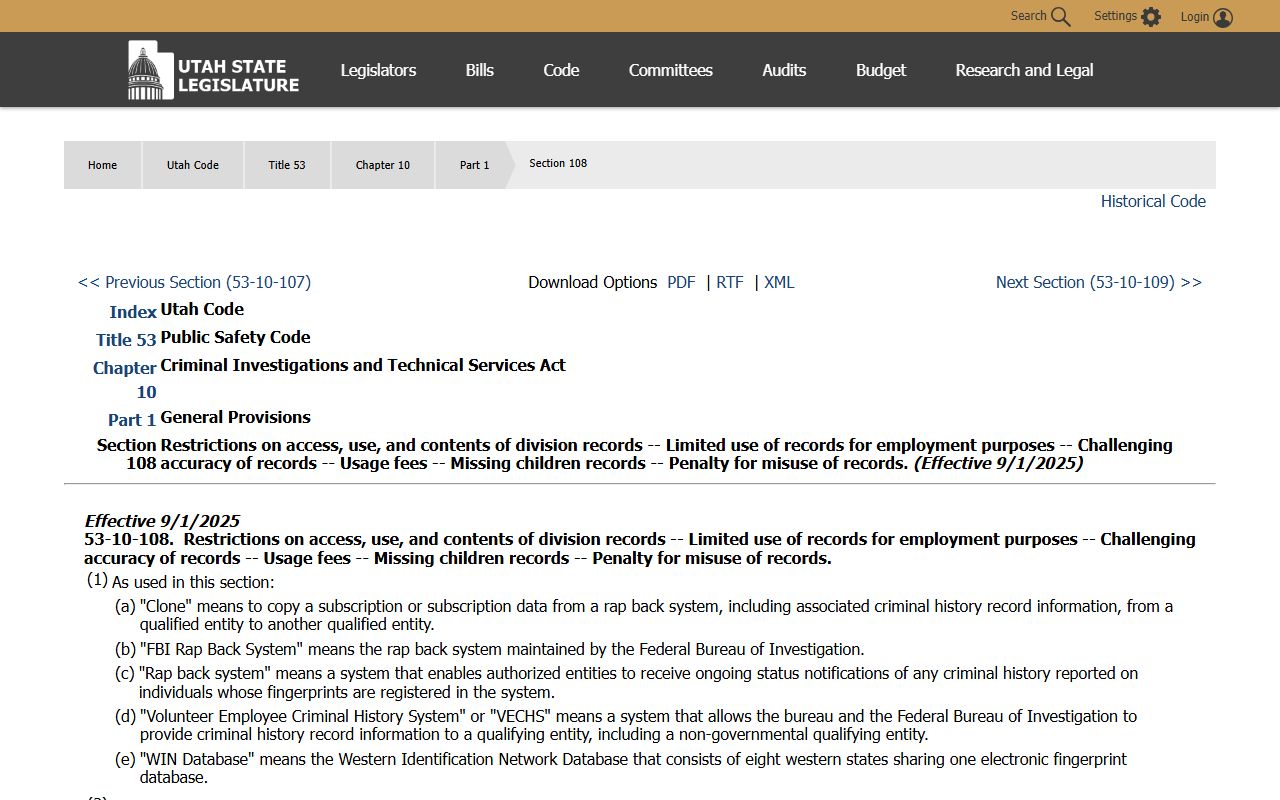
That image is useful here because Utah People Search often depends on knowing which records stay in state repositories and which stay local.
The Utah Clean Slate overview at Clean Slate Utah is a practical reminder that some Utah People Search results can narrow over time as records move through automatic-clearing rules.
That image supports the limits section because a Utah search can only show what remains public and available in the current record system.
Utah People Search and Local Records
State tools do not replace city and county records. They support them. Utah People Search often starts locally because that is where the most direct clue lives. A city police report, county jail roster, county property record, or local clerk file can provide the first usable detail. From there, the state tools help verify, widen, or complete the search. Utah works best when those layers stay in order instead of getting blended together from the start.
Some searches also touch business filings or related public entities. The Utah Department of Commerce Business Entity Search is useful when a name is tied to an LLC, corporate filing, or business registration rather than to a court or police record. That can help connect a person to a public business trail in Utah when the usual people-search sources are too narrow.
The Utah business filing search at Utah Business Entity Search is useful when a Utah People Search turns into a public business-record question.
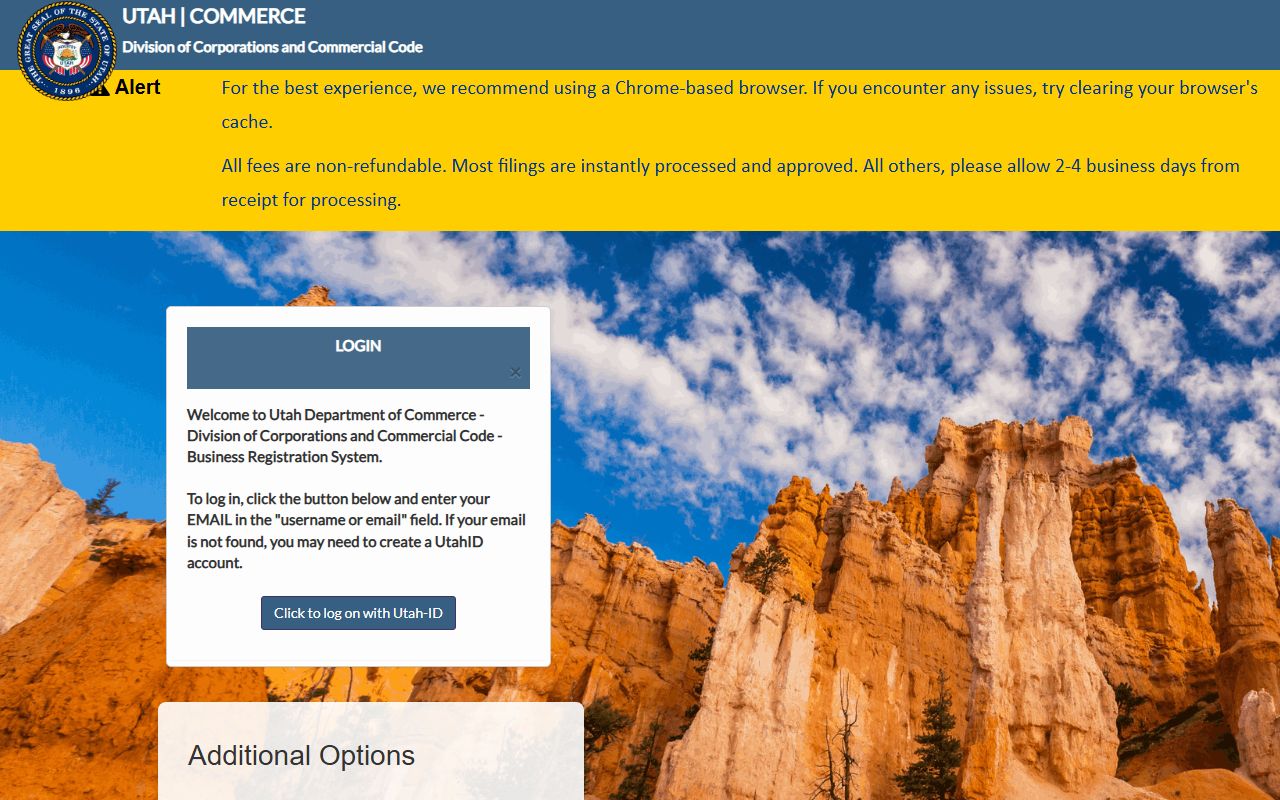
That image marks another public-records lane in Utah and helps when a person trail intersects with company filings or ownership records.
For local work, use the county and city pages on this site. The county pages gather sheriff, court, recorder, and clerk sources for the biggest Utah counties in this project. The city pages localize police, recorder, and GRAMA request routes for the major Utah cities in the build. That combination gives Utah People Search a practical statewide map without forcing every page into the same shape.
Utah People Search Tips
Start small. A name, a date, a location, and a record type are usually enough to move a Utah People Search forward. If you already know the clue is a court case, begin with Utah courts. If you know it is a city incident, begin with the local police or city records desk. If it is an older or proof-based question, move to archives or vital records. Matching the clue to the office saves time.
Do not treat a partial response like the end of the search. In Utah, a partial answer often means the next record lives at a different level. The city may point to the county. The county may point to the court. The state may explain why a record has changed status. The best searches follow that chain instead of restarting from scratch each time.
Browse Utah People Search
Use the links below to move from the statewide Utah People Search page into the most populous county and city record paths in this build. These pages are the strongest local hubs when you want a wider sheriff, court, recorder, police, or GRAMA search route.
Top County Pages
The five largest counties in this Utah build are the best place to start when the trail has already moved beyond a city office and into county records.
Top City Pages
The five largest cities in this Utah build give you the strongest local police and city-records entry points for a People Search.