
Utah County People Search Resources
Utah County People Search works best when you start with the record type, not the office name. A jail lead points to the sheriff. A case lead points to the Fourth District Court. A property lead points to the Assessor or Treasurer. A family or history lead may point to the Clerk/Auditor or the State Archives. That sequence keeps the search tight. It also stops you from bouncing between sites that do not hold the file you need. This page pulls the county tools together so you can follow one name across custody, court, property, and history records with less guesswork.
Utah County Quick Facts
Utah County People Search Sources
Begin with the fastest live source. The Utah County Sheriff's Office inmate search gives current custody data without forcing a formal request. That matters when you need a quick match or want to see whether a person is booked in the county jail right now. The search lives on the county sheriff site at Utah County Sheriff's Office Inmate Search. It is the first place to check when the name is fresh and the date is close.
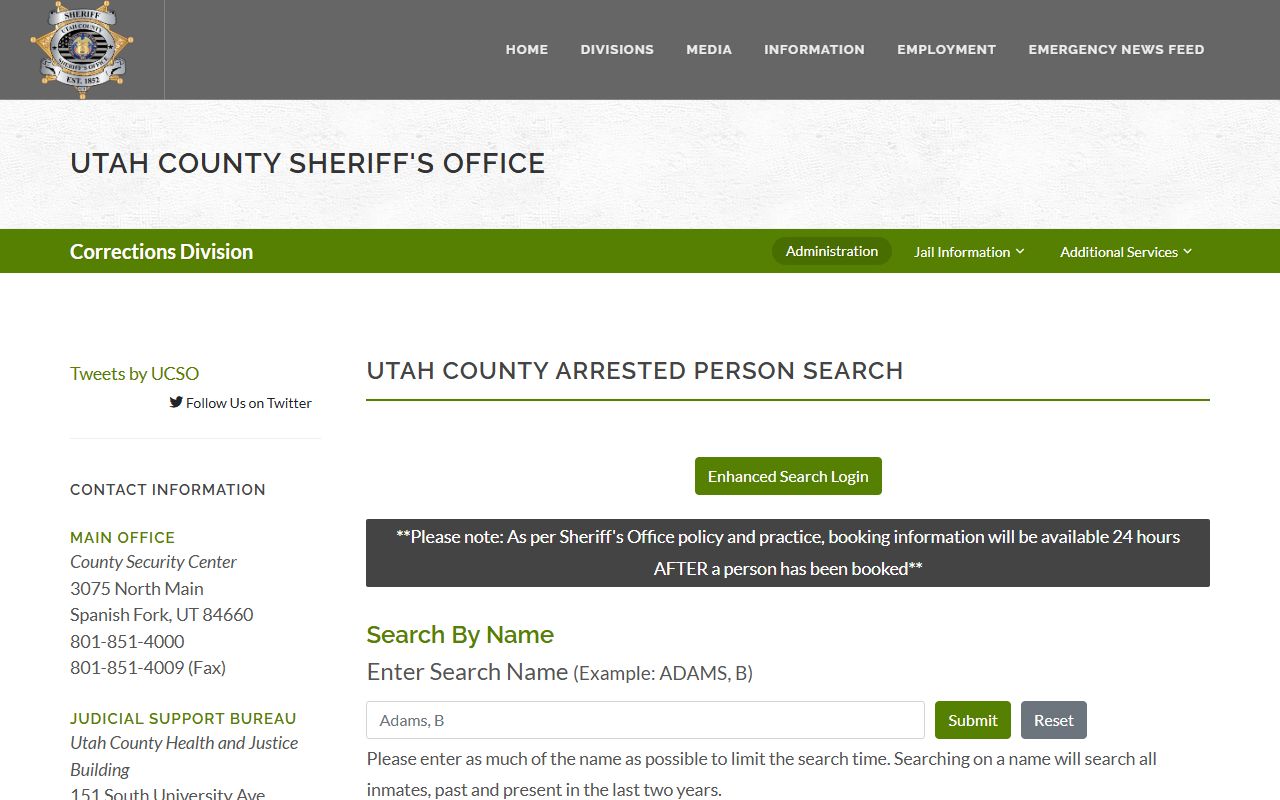
The County Security Center in Spanish Fork holds the jail side of the record. If you need more than the public search returns, the Records Division at 3075 North Main Street can help with reports, arrest files, and other law enforcement records. The office handles GRAMA requests and can respond with records, a denial, or more time, usually within 10 business days. The county also posts a warrant page, which can be helpful when the person search starts with a bench warrant, unpaid fine, or another active court issue.
Use Utah County Sheriff's Office Warrant Department when the search needs a deeper check. The office lists phone contacts for warrants and extradition questions, and it points people to the statewide warrant tool when needed. That is the right move when a name shows up in a case note, a court reminder, or a call from another agency.
Note: Utah County can move a search from public view to request mode quickly. If the roster or warrant page does not finish the job, keep the full name, date of birth, and case date ready for the records office.
Utah County People Search at the Fourth District Court
The Fourth District Court is the core court for Utah County People Search work tied to domestic, civil, criminal, probate, and small claims matters. The courthouse in Provo is where county case files land, and it is the place to check when a name must be tied to a filing, hearing, or final order. The court page at Fourth District Court - Utah County gives the address, phone number, and basic access details.
The statewide search layer still matters here. Utah Courts XChange Public Case Search is the main public case portal for many Utah records, and it is the cleanest way to check a name before you go in person. The Utah Courts Directory is useful when you need to confirm the right court location, while the Utah State Law Library gives free public access to XChange and research help in Salt Lake City.
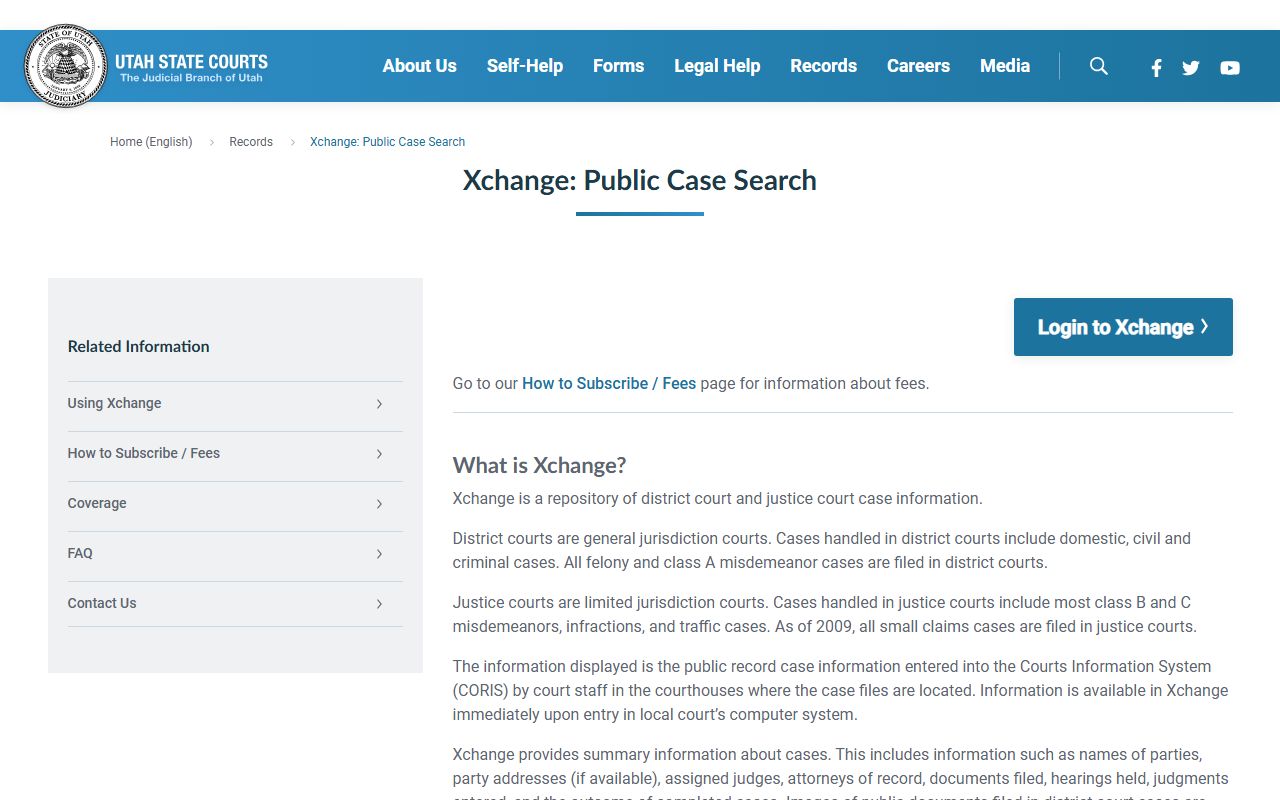
The court clerk can provide copies of public records for a fee, and the online view may show only part of the file. That is normal. Sensitive data can be redacted, sealed, or hidden by court order. If you need the broadest case trail, use XChange first, then the clerk office, then the case file itself. That order keeps the search focused and saves repeat trips.
Utah County Property and Records Search
People Search in Utah County often turns into a property search. The Assessor and Treasurer can show where a person is tied to land, a tax bill, or a parcel history. The Utah County Assessor Property Information page gives assessed value, parcel details, map tools, and ownership clues. The Utah County Property Search (Treasurer) is the other half of that picture, because it shows tax status, payment history, and the current tax side of the record.
Those two pages are most useful when a name search is too broad. An owner name, a street address, or a parcel number can tighten the match quickly. Once you have the parcel, the county Clerk/Auditor page can fill in more of the public trail. Utah County also keeps marriage records through the Clerk/Auditor office, and that can help when you need to connect a person to a family record rather than a court case.
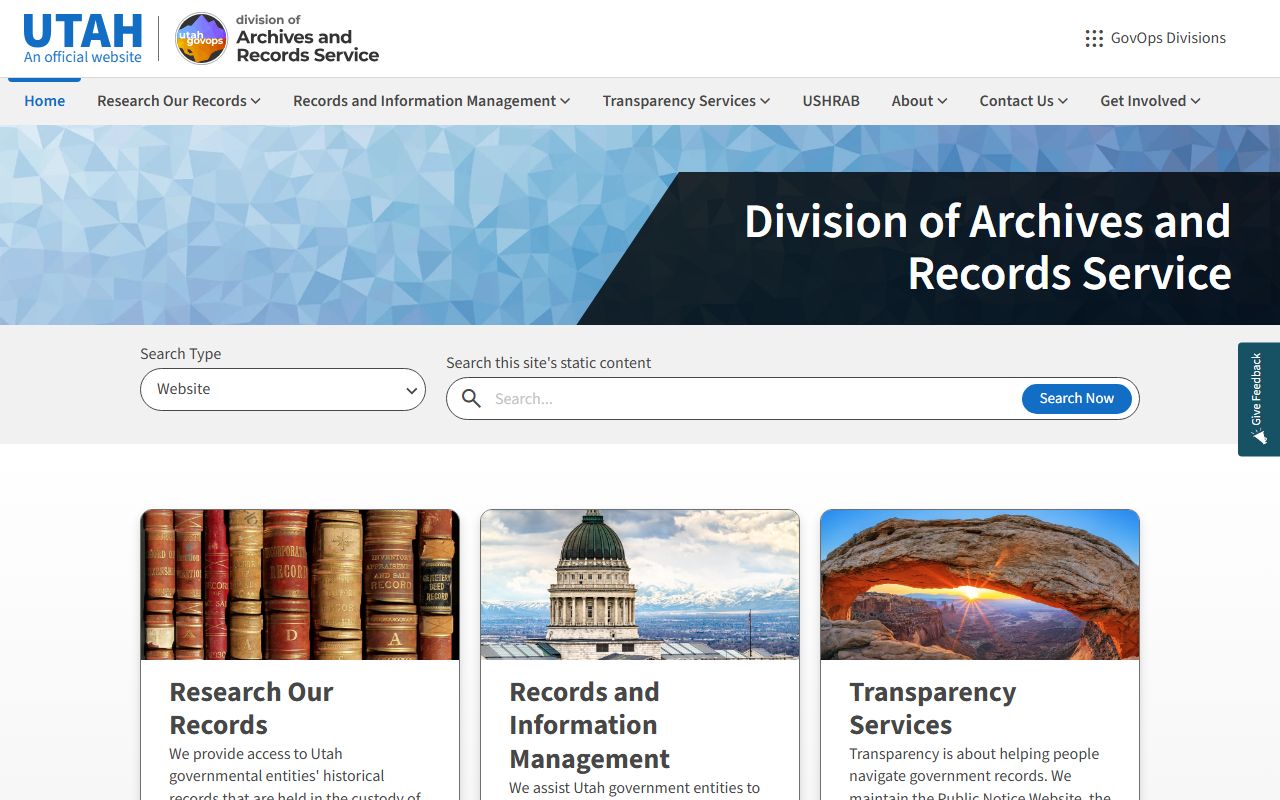
The State Archives matter here because old records do not disappear just because the online page changes. Historical court files, early marriage records, and older county material can move into archive work when a modern portal is not enough. The archives are the right fallback when the name is old, the office changed, or the record you need is more historical than current.
What property and records pages can show often includes names, dates, values, and document links. That is enough to confirm whether two records belong to the same person or the same household.
- Parcel number and property address
- Owner name and tax status
- Sales history and assessed value
- Marriage license names and license numbers
- Older archive references and record series
Utah County GRAMA and Records Requests
When the public page is not enough, Utah County shifts the search into GRAMA. The county records page at Utah County GRAMA Request Portal is the main county path for written requests and online forms. The Clerk office at 100 East Center Street in Provo handles that traffic, and it can point you to the right response path when the file is county-owned but not fully online. The Records Division on the sheriff side is also part of this process for law enforcement records, and the county usually answers within 10 business days unless it needs more time.
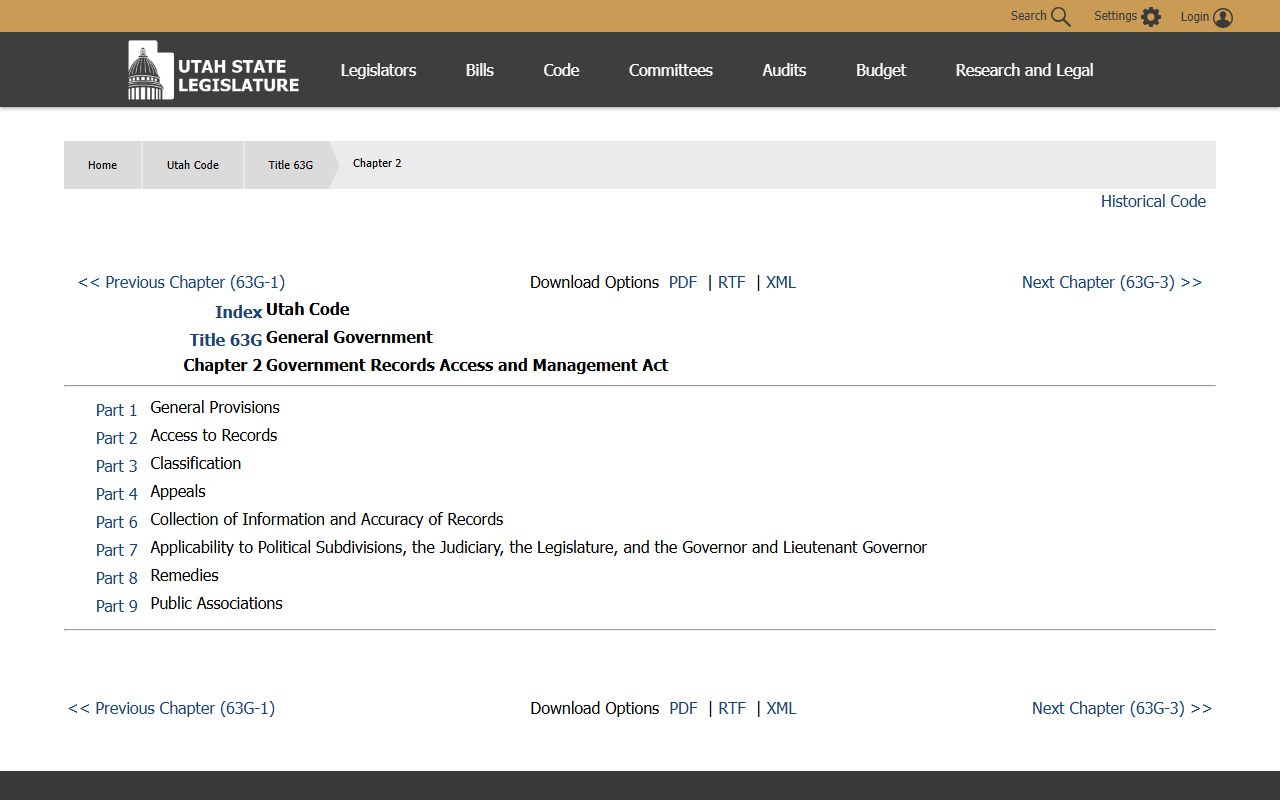
The state version of the same rule is Utah Government Records Access and Management Act. That statute sets the response window and explains how a request can be handled when a record is public, private, or protected. It is a useful anchor when a request takes time or when part of a file must be withheld. You do not need to know the legal code to make the request, but it helps to know why the county answers the way it does.
The county Records Division can also help with incident reports, arrest reports, and accident reports. If you need the request to be specific, give the office the name, date of birth, case number, and date range when you have it. Narrow requests move faster. Broad requests can still work, but they usually take more back and forth.
Utah County People Search and Vital Records
Vital records can settle identity questions that a court file does not. The Utah Office of Vital Records and Statistics keeps marriage and divorce records statewide from 1978 to the present, and the county Clerk/Auditor keeps Utah County marriage licenses and related county records. That combination helps when a people search needs proof of family ties, name changes, or a record that bridges one office to another. The county Clerk/Auditor page is the best local place to start for marriage records.
Use Utah County Clerk/Auditor Records for county marriage licenses, county commission material, and other official records. The office search is especially helpful when you need a license number, the names of both parties, or a date range. For state copies and verification letters, the Utah Office of Vital Records and Statistics is the clean fallback.
For older material, the State Archives again becomes the backup path. It is worth checking when a county search says the record is too old, the office wants a narrower date, or the online result does not match the person you are trying to confirm. That is common with long family searches and older Utah County records.
Note: A county marriage record, a state verification letter, and an archive file do not always show the same amount of detail. Use the one that matches the proof you actually need.
Utah County People Search Tips
Utah County search work gets easier when you treat each source like a different lane. The sheriff page handles custody and warrants. The court handles case files. The assessor and treasurer handle property ties. The clerk handles marriage and county records. The archives hold older material. The State Law Library and XChange help you see the case path without paying for a guess. That is why the same name can show up in several places but mean different things each time.
For criminal history context, Utah Bureau of Criminal Identification Criminal History explains how personal record requests work, and Utah Clean Slate Law Automatic Expungement explains why some records may no longer appear in public view. The Utah Code Criminal Identification Act also helps explain the limits on state criminal history release. That does not replace a court check, but it keeps you from expecting one database to answer every question.
- Use a full legal name when you have it
- Add a birth date or year when possible
- Keep the county or city in view
- Use a parcel number for property ties
- Match the record type to the right office
Once you narrow the source, Utah County People Search becomes much easier to read. A single office rarely tells the whole story. Two or three offices usually do.
Browse Utah County People Search
Use the county and city landing pages when you want a broader Utah search path. Utah County is one piece of the state record map, and the landing pages help you compare it with other counties and cities.