
Salt Lake City People Search Resources
Salt Lake City People Search usually starts with a clue from police, city hall, or the county court system. The city has several strong public records paths, and each one fits a different kind of question. A police report can show an incident trail. A council minute can show a city action. A mayoral record can show an executive decision. If the answer is not in the city file, Salt Lake County and the state court system can carry the search the rest of the way. That gives you a clean route from a quick check to a deeper record search without guessing which desk owns the file.
Salt Lake City Quick Facts
Salt Lake City People Search Sources
Start with the office that matches the clue you already have. A police report points to the police department. A council or mayoral record points to city hall. A fire incident points to the fire department. Salt Lake City keeps those lines separate on purpose, and that makes the search easier once you know the file type. It also keeps you from sending a broad request to the wrong office. The city pages are built to move a person search from a simple name check to a real record request.
| Office | Use |
|---|---|
| Salt Lake City Police GRAMA Records Request | Police reports, incident files, and records requests |
| City Council Legislative Records | Minutes, agendas, ordinances, and public hearings |
| Mayor's Office Records | Executive records, proclamations, and correspondence |
| Fire Department Records | Incident reports, inspections, and emergency records |
Police records are often the fastest starting point when the search begins with a case number, an incident date, or an officer contact. The city says requests can be made online or in person, and the request needs enough detail to find the right report. That means names, dates, and the place of the event matter. If you only know part of the story, start with the smallest clue you have and build from there.
City hall records are useful when the search is civic rather than law enforcement related. Meeting minutes, ordinances, and mayoral records can show when a person, place, or issue crossed into the public record. That is a different kind of clue, but it is often the one that connects a name to a city action. The city keeps those records in a way that supports public review, which makes them a strong backup when the police page is not the whole answer.
Salt Lake City People Search and Police Records
The police GRAMA page is the main city record entry point. The department is at 475 South 300 East, and the phone number is (801) 799-3000. If you need a report, the city asks for a completed request and picture ID when you apply in person. Online requests also go through the same public process. That matters because it keeps the search tied to the record instead of to a general help desk. The page is the right place to start when the search is about an incident, an arrest, or a report written by officers.
The page also explains that the department has ten business days after a written request arrives to provide the record, deny it, or explain why more time is needed. That timing gives the search a clear rhythm. It does not guarantee a same day answer, but it does tell you when the next response should land. If you are following a name through the city system, that kind of timing is useful because it tells you when to check back.
Police records can show more than one kind of public detail. They can include the basic incident trail, report numbers, and the departments involved. They can also point you toward another city office or a county file if the matter moved beyond the first response. That is why the police page is the right first stop for a Salt Lake City People Search. It gives you the cleanest current record path and the best chance of a quick match.
The official police page is the best place to begin when the search starts with a police event.
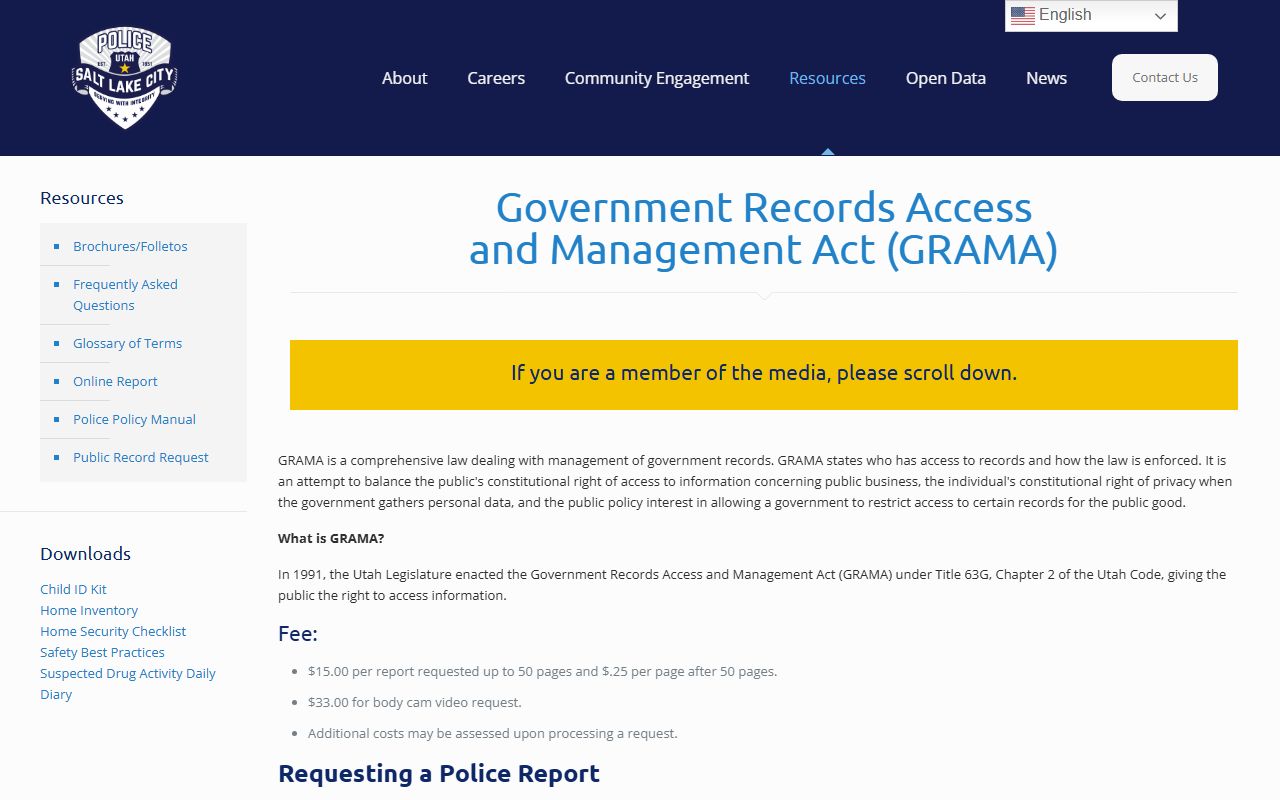
That image shows the city's police records path and gives you the front door for a Salt Lake City People Search tied to a report or incident file.
Salt Lake City People Search at City Hall
City hall records are the second major lane for a Salt Lake City People Search. The City Council keeps legislative records such as ordinances, resolutions, agendas, and minutes. The council office is at 451 South State Street, Room 304, and the phone number is (801) 535-7600. The mayor's office keeps executive records, proclamations, and correspondence at 451 South State Street, Room 306, with phone number (801) 535-7704. The fire department also keeps incident and inspection records at 605 South 500 East, and the number there is (801) 799-4161.
Those records are useful when a person search intersects with a public hearing, a city decision, or a property issue. A council minute can show a vote or a hearing date. A mayoral record can show a city action. A fire report can tie a name to an emergency response or an inspection. None of these sources replace a police record. They fill a different gap. Together, they help you see how a person, address, or event moved through city government.
Salt Lake City makes those records more accessible by keeping the official pages separate and public. That is helpful because you can pick the right office faster. If your lead is a council action, do not start with police. If your lead is an executive order, do not start with the fire department. The city pages tell you which office owns the record, and that is the real shortcut.
The state GRAMA page at Utah Government Records Access and Management Act is the broader rule set behind those city requests, and it explains why the city has to route and answer them in a set way.
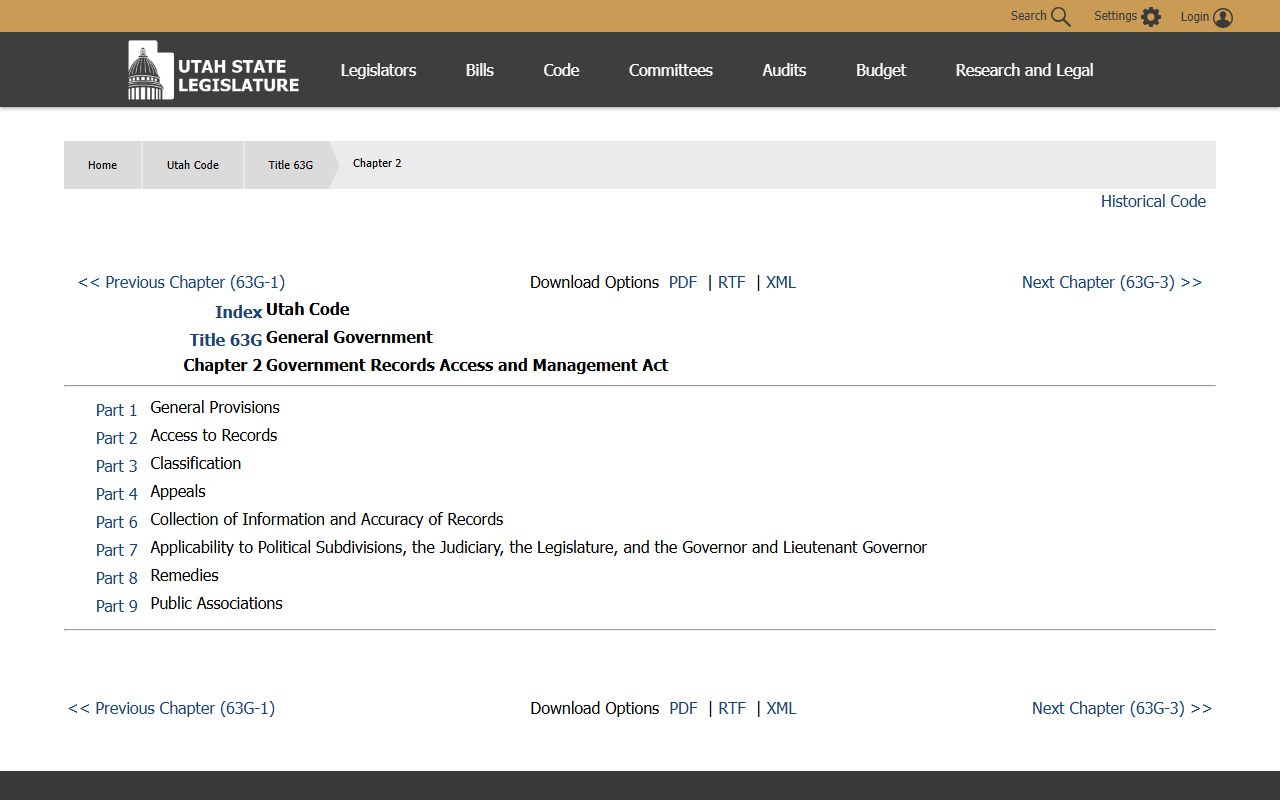
That image is a useful reminder that Salt Lake City public records are still shaped by Utah's open records law, even when the request starts at city hall.
Salt Lake City People Search and County Files
Salt Lake City search work often ends at the county level. A city report can point to a county case. A city address can point to a county property record. A city event can lead to a county request portal. That is normal in Salt Lake County, and it is why the county page on this site matters. The county page collects the sheriff, recorder, district court, and request paths into one place so you can keep moving when the city page only gives you part of the story.
The Salt Lake County page at Salt Lake County People Search Resources is the best backup when your Salt Lake City lead grows into a county search. From there, the sheriff records bureau can handle law enforcement records, the recorder can handle property records, and the district court can handle case files. You do not have to restart the search. You just move from the city office to the county office that owns the next file.
County records also connect well with the state court system. Utah Courts XChange is the main public case search tool, and it can show the public docket path for court matters that involve Salt Lake City residents. The Utah State Law Library is another useful stop when you want free access to XChange and a place to sort out the case trail before you request copies.
The Salt Lake County Recorder page is a good fit for this section because many Salt Lake City searches become property or document searches once the city clue points into the county record set.
The county recorder image is a good fit for this section because many Salt Lake City searches become property or document searches once the city clue points into the county record set.
Salt Lake City People Search and Vital Records
Sometimes a people search turns into an identity check, not a court check. That is where vital records help. The Utah Office of Vital Records and Statistics keeps marriage and divorce records statewide from 1978 to the present, and it can issue verification records that help confirm a name, a relationship, or a life event. That makes it a strong backup when a Salt Lake City search needs proof instead of a docket. The office is also the place to go when the county file is not the right record type for what you need.
The state office page is the best place to begin that part of the search. If you need older historical material, the Utah State Archives and Records Service can help with older records, microfilm, and historical files that are no longer sitting in a city or county front-end system. That matters when a search spans more than one decade or when a city office points you back to the state archive trail.
The Utah Office of Vital Records and Statistics page is often the right next step when a Salt Lake City People Search needs a marriage or divorce verification.
That image marks the state vital records path, which is often the cleanest final step when a city search needs proof of a life event rather than a new report.
Salt Lake City People Search Tips
Keep the request focused. A name, a date, a street, or a case number gives the city a better shot at finding the right file the first time. If you know the record type, use that too. Police records, council minutes, mayoral records, and fire reports all live in different city offices. Salt Lake City People Search work gets easier when you match the clue to the office instead of asking every office at once.
If the city file comes back redacted or partly sealed, do not treat that as a dead end. It usually means you need the next office in the chain, not that the record does not exist. That is where Salt Lake County and the state court system help. They can extend the search without forcing you to guess at the next step.
The best searches stay small and exact. That is true in city hall, at the police desk, and in the county files. The more precise you are, the less time the office spends sorting out the request. That saves time for you and for the records staff.
Browse Salt Lake City People Search
Use the county and city pages when you want to compare Salt Lake City with the rest of the Salt Lake County record map. The city page gives you the local path, and the county page fills in the rest when the record moves outside city hall.