
Payson People Search Resources
Payson People Search works best when you treat the city police page as the first stop and Utah County as the next layer. Payson’s police department at 97 E Utah Ave is the local entry point for public-safety records, and the city says those requests move through GRAMA. That gives you a direct route when you already know a name, a date, or an incident location. If the record becomes a custody question, a court filing, a property issue, or an older family record, Utah County and the state tools can finish the trail without making you start over. The search stays cleaner when each step stays tied to the office that actually owns the file.
Payson Quick Facts
Payson People Search Sources
Payson gives you a straightforward but layered public-records path. The city police department is the first place to check when the lead is a report, a complaint, or a public-safety event. The city brief says those records requests are processed through GRAMA, so the request should be specific enough for staff to identify the record without guessing. If the clue moves beyond the police desk, Utah County becomes the natural follow-up for custody, court, property, and county record questions. That structure is exactly what makes a Payson People Search practical: local first, county second, state last.
| Office | Use |
|---|---|
| Payson Police Department | Local police page and public-safety record route |
| Utah County Sheriff Inmate Search | Current custody and booking backup |
| Utah County Records Bureau | Law-enforcement GRAMA and report requests |
| Utah County GRAMA Request Portal | County records request routing |
| Utah County Assessor Property Information | Property and parcel research |
| Utah County Clerk/Auditor Records | Marriage and county record files |
| Fourth District Court | County court filings and case history |
| Utah GRAMA | State open-records rules |
| Utah State Archives | Historical records and older files |
That map matters because each office owns a different slice of the record. The police department handles city incidents. Utah County handles custody, court, property, and county-held records. The state tools handle the broader records rules and older historical files. Payson People Search gets easier when you keep those lanes separate and aim the request at the office that actually wrote or stores the file.
Payson People Search and Police Records
The Payson police page is the first local stop when the search begins with an incident, a complaint, or a report request. The research gives the department address as 97 E Utah Ave, Payson, UT 84651, and the phone number as (801) 465-5220. That is the right contact point to keep in view when the clue is clearly a city police matter. The city says police records requests are processed through GRAMA, which means the request should stay narrow and specific. A name, a date, a location, and a record type are usually enough to start the search without turning it into a broad inquiry.
Police records usually give you the first public version of the event. They can show the report trail, the location, and the date, but not always the complete context. If the file is still active or partly restricted, the city may release only the public portion. That is still useful because it tells you whether the next stop belongs with Utah County records, a court file, or another public office. A Payson People Search starts with the police page, but it often finishes somewhere else.
The city police page at Payson Police Department is the right first stop when the clue is a police report or other city public-safety record.
The strongest way to use that page is to keep the request short. If you know the incident date, include it. If you know the street or report number, include that too. The city can only route the record quickly if the request points to the right file instead of asking for every possible report tied to a name.
Payson People Search and Utah County Backups
Utah County is the natural backup when a Payson People Search leaves the city desk. The inmate search can show whether a person moved into county custody, the records bureau can handle law-enforcement requests, the court can show filings and hearings, and the assessor and clerk can connect the name to property or marriage records. That is especially useful in Payson because a local police clue often becomes a county record almost immediately once the case moves forward.
The Utah County Sheriff Inmate Search at Utah County Sheriff Inmate Search is the quickest county backup for a Payson People Search that turns into a custody question. It gives current booking data and tells you whether the person is in county jail. That kind of live check is useful before you move into records requests or court files because it narrows the field fast.
The county roster is a good visual checkpoint for a Payson People Search that moves beyond the city page.
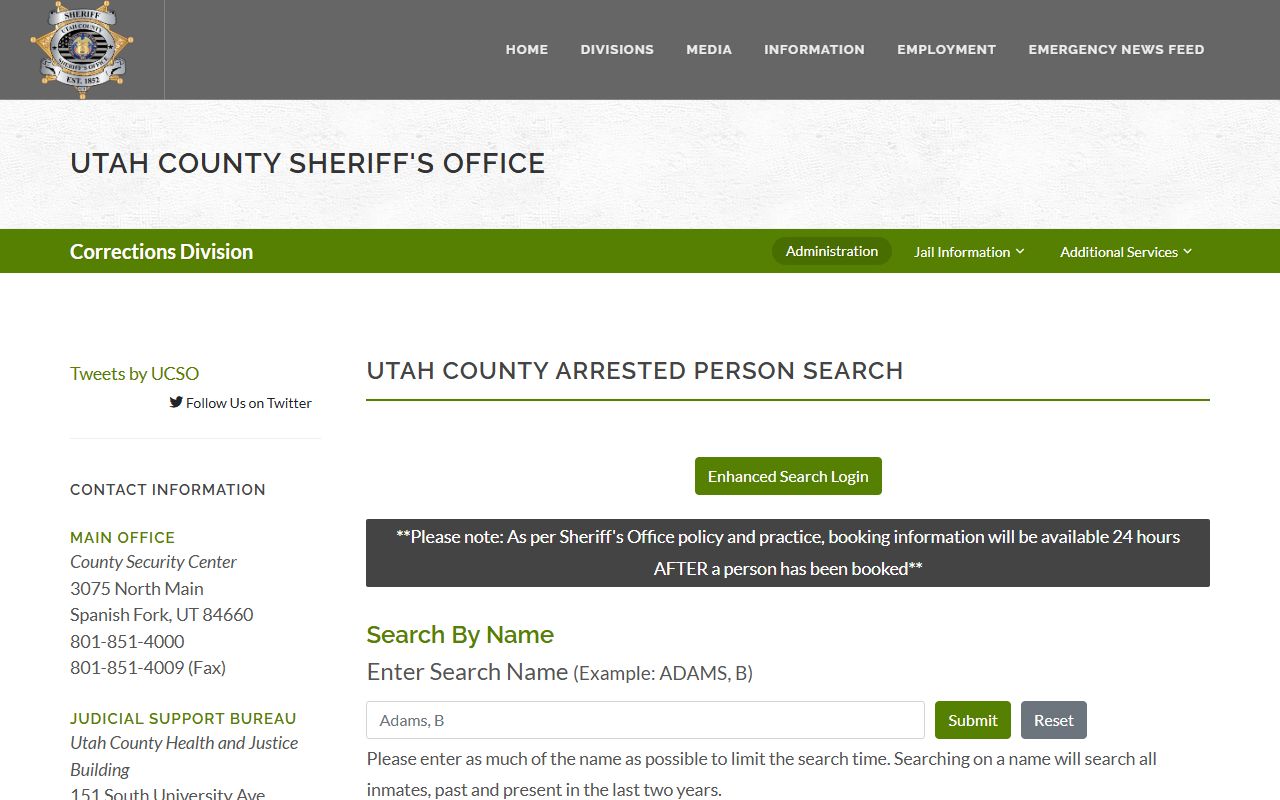
That county image shows the custody layer that can follow a Payson police clue.
The Utah County Records Bureau at Utah County Records Bureau is the better county stop when you need a report or arrest file rather than just a live roster entry. The county GRAMA portal at Utah County GRAMA Request Portal handles written county requests, and the county records division is the place to keep in mind when a city record points to a county file. The county assessor at Utah County Assessor Property Information is the property side of the search, while the clerk/auditor at Utah County Clerk/Auditor Records handles marriage and county record files. The Fourth District Court at Fourth District Court is the case layer to check when the matter reaches court.
Payson People Search and State Records
State tools complete the Payson search when the city and county layers are not enough. Utah GRAMA explains the rules behind public-record responses and tells you why a request may be delayed, redacted, or partially released. Utah Courts XChange is the public case layer, the Utah Courts Directory helps you find the right courthouse, and the Utah State Archives preserve older files when the live office no longer has them. Utah Vital Records helps when the question is really about a marriage or divorce record rather than a police report. That combination keeps a Payson People Search official and grounded at every step.
The state GRAMA statute at Utah Government Records Access and Management Act is the cleanest reference for why city and county requests are written, specific, and routed through a formal process. It explains response deadlines and the difference between public, private, and protected records. That matters when a Payson People Search is waiting on a reply or when part of a file is released but the rest is not.
The state GRAMA page is a useful visual marker for the request rules behind a Payson People Search.
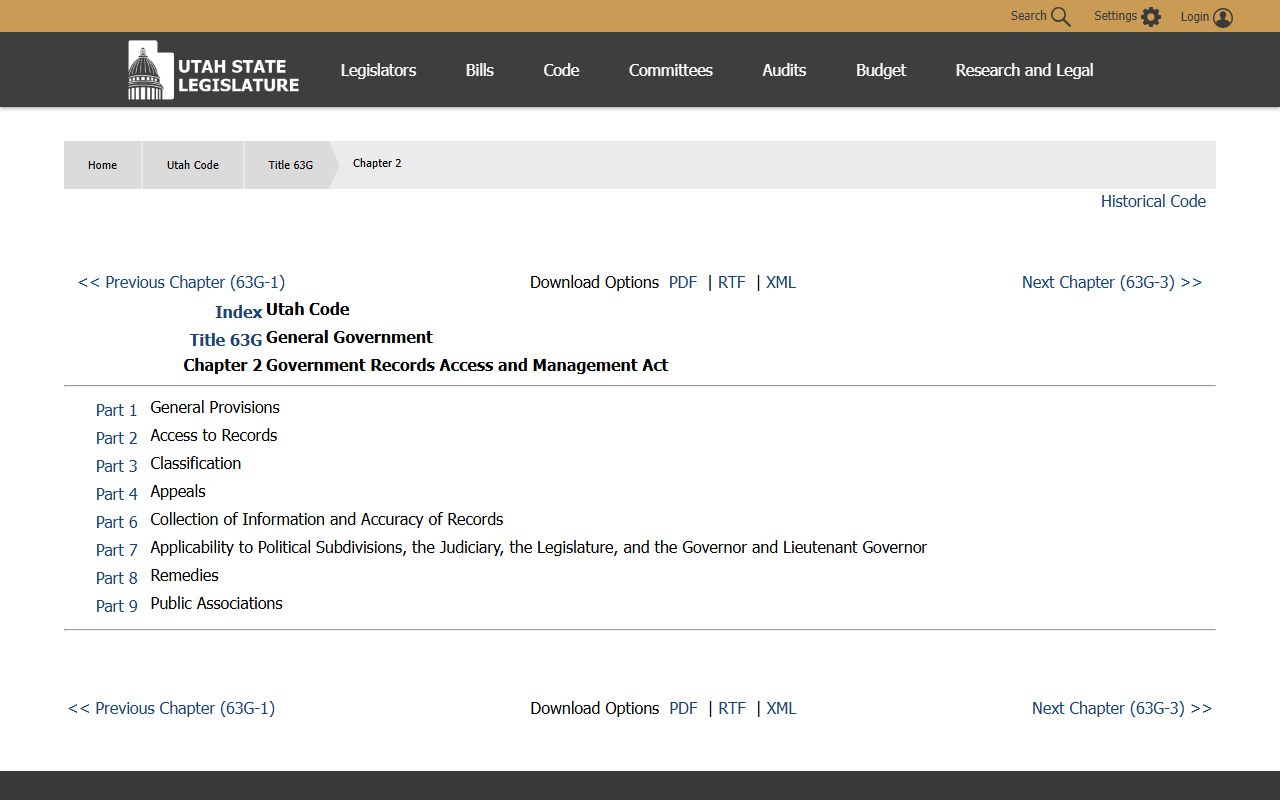
That state image fits the request side of the search and shows why the city and county pages follow a formal process.
When the trail becomes a court question, Utah Courts XChange at Utah Courts XChange Public Case Search is the next step. When the record is older, the Utah State Archives at Utah State Archives and Records Service are the right fallback. When the issue becomes a certified marriage or divorce record, the Utah Office of Vital Records and Statistics at Utah Office of Vital Records and Statistics is the more direct source. If the question becomes a personal criminal history record, Utah Bureau of Criminal Identification Criminal History is the state source to check.
Payson People Search Tips
Keep the request narrow and exact. Payson People Search work gets easier when you start with one name, one date, one location, and one record type. A police report, a county record, and a court file are different records even when they involve the same person. If you send a focused request to the right office, the response is usually cleaner and faster.
It also helps to remember that each office does a different job. The police handle police records. Utah County handles county custody, records, property, and court backups. The state tools handle GRAMA, historical files, and certified record work. When you keep those lanes separate, the search stays organized and you avoid sending a broad request to the wrong desk.
Browse Payson People Search
Use the county and city pages when you want to compare Payson with the rest of Utah County and the broader Utah records map. The city page is the local front door, and the county page fills in the rest when the trail leaves city hall.