
Orem People Search Resources
Orem People Search works best when you start with the office that actually keeps the record. A recent incident usually belongs with the Orem Police Department Records Unit. A court or jail lead often moves into Utah County. A verification question can move into the Utah state system. That sequence matters because Orem sits inside a larger county and court map, and a city clue can quickly become a county or state file. If you keep the name, date, place, and record type aligned, the search stays focused and much easier to finish.
Orem Quick Facts
Orem People Search Sources
The local starting point is the Orem Police Department Records Unit. Research for this project places that office at 95 East Center Street, Orem, UT 84057, with the records phone at (801) 229-7070. When the clue is a report number, a recent incident, or a police contact, that is the right city desk to start with. Orem People Search gets cleaner when the request begins with the city office that can confirm whether the file exists, whether it is public, and whether the next step belongs inside the city or outside it.
| Office | Use |
|---|---|
| Orem Police Records Unit | Police reports, city records questions, and local request starting point |
| Utah County People Search Resources | County sheriff, court, property, and records backup |
| Utah County GRAMA Request Portal | County public records requests and response tracking |
| Fourth District Court - Utah County | District court cases, hearings, and filings |
| Utah Courts XChange | Public case search before a copy request |
| Utah Office of Vital Records and Statistics | State marriage and divorce verification backup |
The city records unit matters because it keeps a local Orem clue from getting lost inside a larger county search. If you already know the event happened in Orem, the city office is far more useful than a general statewide request. Give the office what it can use: a full name, an approximate date, a place, or a case number if you have one. The smaller and more precise the request, the more likely the city can point you to the right file without delay.
Orem also sits in a part of Utah County where city, county, and court records can overlap in practice. A city incident can later show up in a county jail lookup, a district court case, or a county records portal. That does not make the city page less useful. It makes it the first layer. Once the city confirms the record type, the county and state tools become much easier to use because you are no longer guessing where the trail goes next.
Orem People Search and Police Records
The police records unit is the best city source when an Orem People Search begins with a report, a police response, or a local case reference. Research for this build shows that records requests are processed through the GRAMA request system, which means the city wants a written and specific request. That is normal. It also means the search works better when you already know the incident date, the street, the report type, or the people tied to the event.
The Orem records unit does not need a broad life story. It needs enough detail to find the right file. That distinction matters because broad searches slow down quickly. A narrow request can move. A city records office is at its best when you treat it as a record holder and not as a catch-all search engine. Orem People Search becomes much more practical once you treat the police page as the front door for local report-based work.
The official city page at Orem Police Department Records Unit is the clearest local entry point when the search begins with a police matter or recent incident.
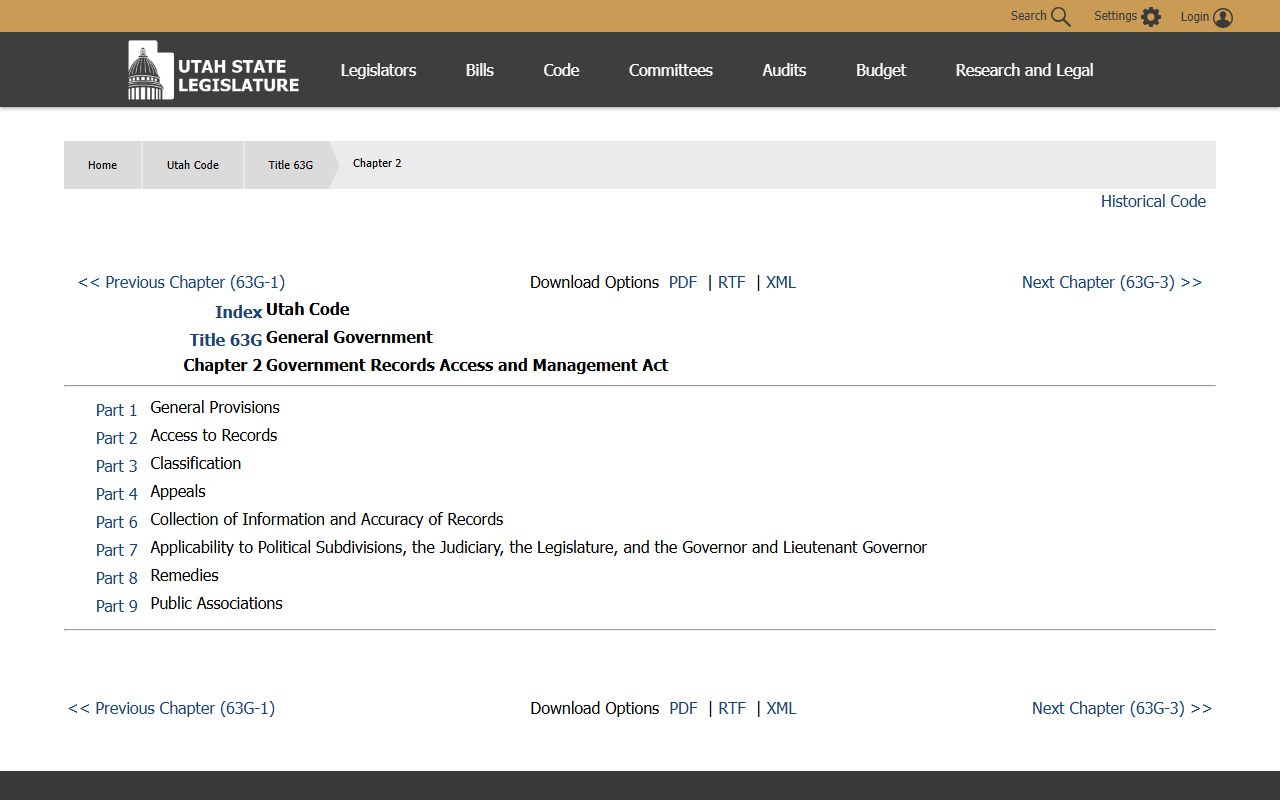
That image fits the Orem section because the records unit routes requests through Utah's GRAMA framework, which shapes how city police records are reviewed and released.
Municipal records can also matter at the city level. The Orem records request form keeps city records and police records on separate paths, which is useful when the clue is a city ordinance, a council action, or another municipal document instead of a police report. That separation matters because it keeps the request focused on the office that wrote the record and reduces the chance of a slow reroute.
Orem People Search and Utah County Backups
Many Orem searches move into Utah County after the city clue is clear. That is expected. A city report can lead to a county custody question. A local name can lead to a district court filing. A city address can tie into a county document or recorder trail. The county layer matters because it holds different records for different stages of the same story. Once the city office has done its part, county tools often become the next useful step.
The county page on this site at Utah County People Search Resources brings those backup paths together. It is the simplest next move when the Orem clue leaves city hall. The Utah County Sheriff's Office Inmate Search can help with current custody checks. The Utah County GRAMA Request Portal helps when the next step requires a county records request. The Utah County Clerk/Auditor can matter when the search becomes a county record question rather than a police matter.
The Utah County sheriff page at Utah County Sheriff's Office Inmate Search is a practical backup when an Orem search shifts from a city incident into a county booking or custody trail.
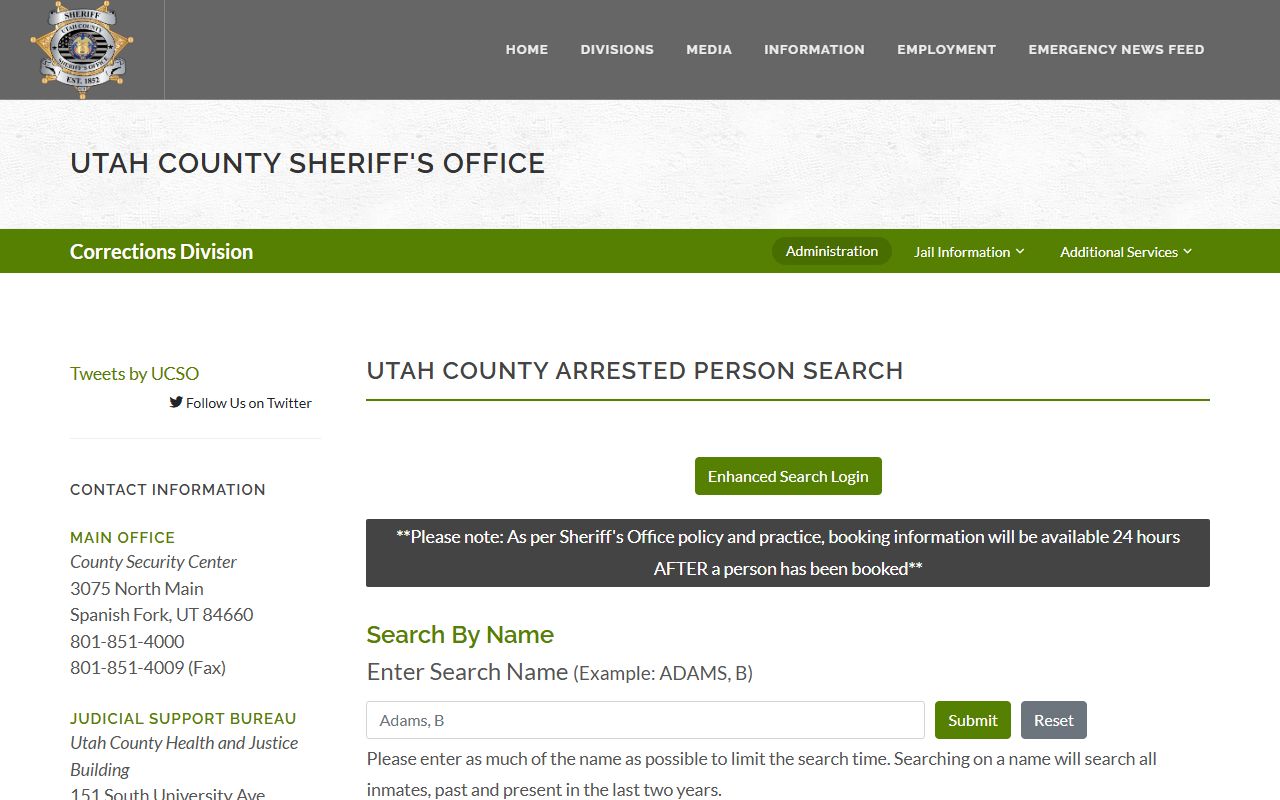
That county image shows the next layer after a city clue, which is often where an Orem search goes once the police report points outside the city file.
Orem People Search also benefits from keeping the court route in view. The Fourth District Court - Utah County is the district court home base for county-level court matters. If the Orem trail becomes a filing, a hearing, or a case lookup, the county court and state court search tools work together. That is why the county backup is not just a fallback. It is often the second half of the actual search path.
Orem People Search and State Records
State tools matter when the Orem trail becomes a public case search, a verification request, or a historical records question. The statewide court layer is often the cleanest way to confirm that a case exists before you request copies. The public search tool for that step is Utah Courts XChange. It helps you check the public case path before you go deeper into courthouse or clerk work.
The statewide case tool at Utah Courts XChange is the right next step when an Orem search leaves the city records unit and turns into a public court lookup.
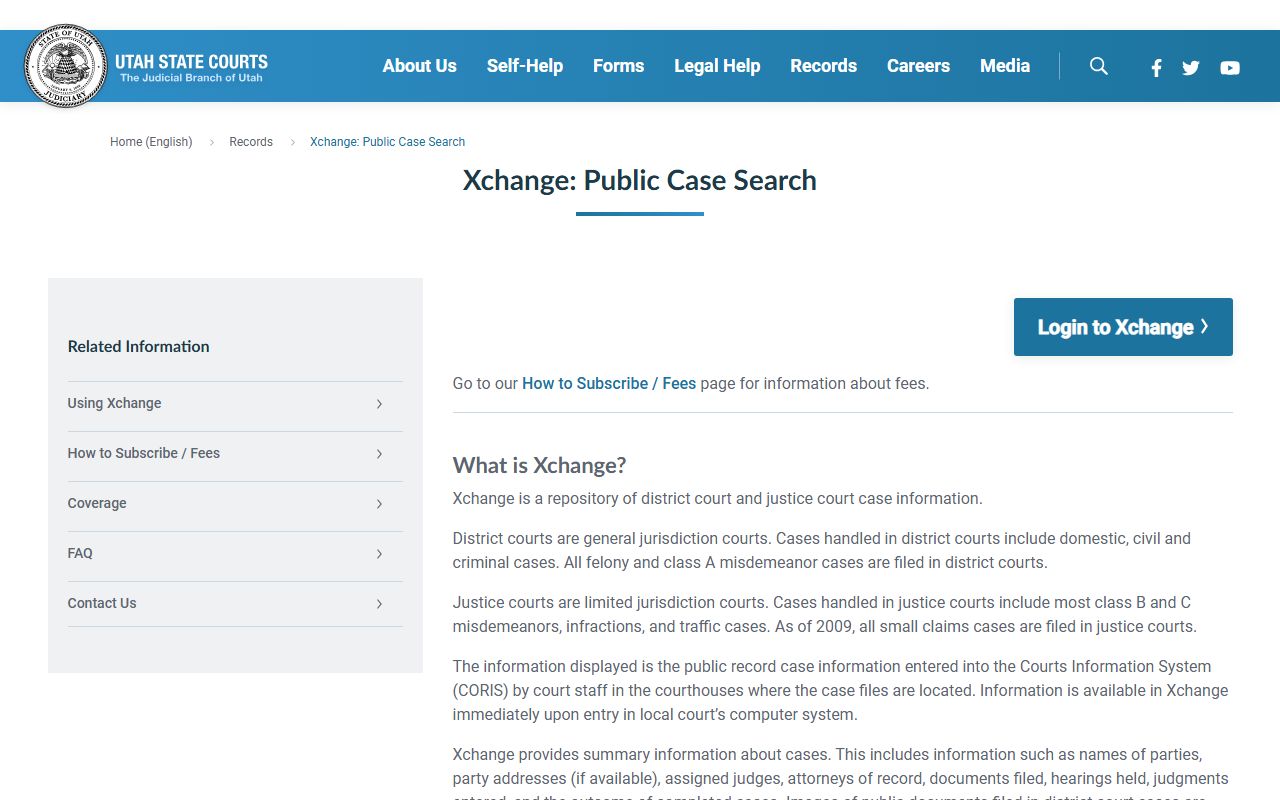
That image marks the statewide case layer, which is useful when the city clue needs a court follow-up rather than another city records request.
The state layer also helps with identity and relationship checks. The Utah Office of Vital Records and Statistics keeps statewide marriage and divorce verification records from 1978 forward, which can help confirm the right person when names overlap. If the Orem search is older than the active city or county file system, the Utah State Archives and Records Service gives you a historical path instead of a dead end. Those state sources matter because not every people search is really about a police report or a current court case.
The Utah records law itself still shapes the request path. Utah Government Records Access and Management Act is the rule behind city and county public records requests. You do not need to turn the page into a law lesson to use it. You just need to know that city, county, and state offices answer requests inside the same broader records-access framework.
Orem People Search Tips
Keep the request small. A full name, a likely date, a city location, and a record type are usually enough to get the right office moving. That is true for the Orem police records unit, the Utah County records portal, and the state court system. Broad requests can still work, but they usually take longer because the office has to guess what you meant.
Think in layers. City first. County second. State third. That simple order keeps Orem People Search work grounded in the real record path. A city report can lead to a county case. A county case can lead to a state court lookup. A verification question can move straight to a state office. Once you know which layer fits the clue, the search stops feeling scattered.
If the first response is redacted or partial, do not assume the trail is over. That often means the office released the public part and the next clue now lives with a different office. Move to the next layer instead of starting over. That is usually the fastest way to finish an Orem search without losing the thread.
Browse Orem People Search
Use the county and city pages when you want a wider Utah County search path. Orem is the city entry point, and the county page fills in the sheriff, court, and records-request steps once the search moves beyond the local records unit.