
Search Lehi People Search Resources
Lehi People Search works best when you start with the city office that owns the record. Police reports and request forms live with the police department. If the city file is not enough, Utah County and the state court system can give you the rest of the trail. That makes Lehi a manageable city to search because the path is short and the office names are clear. Once you know whether you need a police report, a city request, or a county file, the rest of the work becomes much more direct.
Lehi Quick Facts
Lehi People Search Sources
Lehi gives you a compact records path. The police department handles local reports and public records requests. The GRAMA form shows how the city wants a request written and sent. Utah County handles county-level records when the city file is not enough. State court tools help when a person or case moves past the local office stack. That is a useful mix because it keeps the search from wandering. If you know the record type, you can move directly to the office that should own it.
| Office | Use |
|---|---|
| Lehi City Police Department | Local police records and city safety requests |
| Lehi Police Department Records | Report copies and records bureau requests |
| Lehi Police Department GRAMA Form | Written request format and submission details |
| Utah County People Search Resources | County sheriff, court, and county records |
When a Lehi People Search starts with a police event, the city records unit is the right first stop. When the search grows into a county file or a court case, Utah County becomes the next layer. That keeps the city search narrow and stops you from treating every record like a city hall matter. The city office that owns the file is the one that can answer it best.
Lehi People Search and Police Records
The Lehi City Police Department records unit is the main city stop for incident reports, police reports, and other local records. The records page points the records unit to 128 North 300 East in Lehi, and the records division phone number is (385) 201-1000. That is the safest place to start when you need a report copy or a request status. The general police page gives you the broader department overview, while the records page gives you the more focused bureau contact.
The police department page at Lehi City Police Department Records gives you the broad public safety entry point, while the records page at Lehi Police Department Records gives you the more focused bureau contact. That split matters because the city has both a general police presence and a records request process. If you need the report, the records page is the cleaner start. If you need the department overview, the main police page is enough to get you oriented.
Police records in Lehi usually answer the first question only. They show what was reported, when it was reported, and which officers or events were involved. They can also tell you whether you need to go back for a copy or a broader request. That is why the police page is useful even when you expect to move on to county or state records later. It gives you the city starting point.
The records page at lehi-ut.gov is the best place to begin when the search starts with an incident or report number.
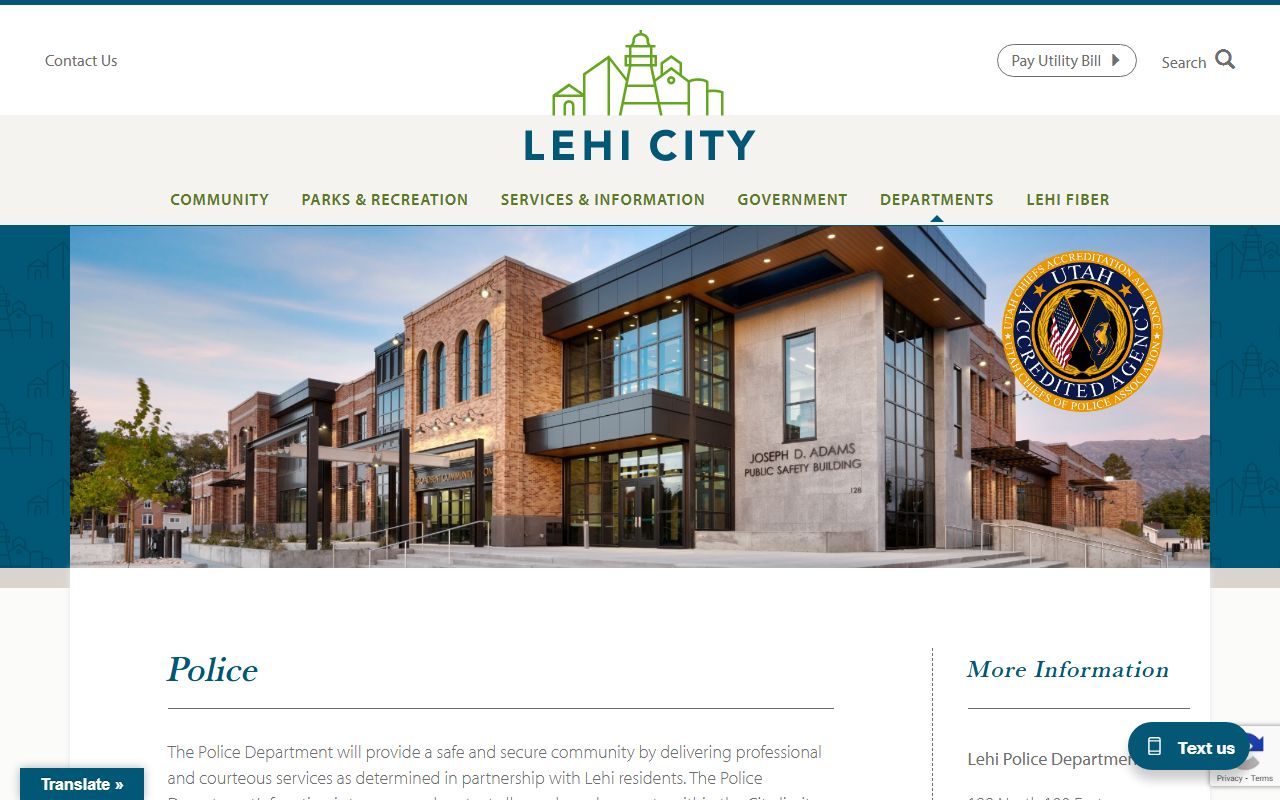
That image matches the Lehi police department path and gives the search a clean city-level starting point.
Lehi People Search and GRAMA Requests
Lehi handles written records requests through its GRAMA form, which is useful when the report or city document is not already sitting in a simple online view. The form asks for the requester's contact details and a specific description of the record. That is normal under Utah's records rules. It keeps the city request focused and makes it easier for the police department to locate the file you actually want.
The GRAMA form at Lehi Police Department GRAMA Request Form is the cleanest way to file a written request. The form notes that requests should identify the record with reasonable specificity, which is exactly what you want in a people search. If you know the case number, include it. If you do not, use the date, location, or names involved. That is enough for the city to start the search without guessing.
This is also the place to remember that a police request is not the same thing as a general city request. The police side handles law enforcement records. The recorder handles city hall records. That split keeps the request simple and helps the city route it faster. If the file is not a police record, send it to the recorder instead of trying to make the police unit own everything.
The city records page at Lehi Police Department Records is the right place to see how the bureau wants written requests to look.
That image shows the records side of Lehi's police process and keeps the request path tied to the right city unit.
Lehi People Search and Utah County Files
Lehi searches often move into Utah County once the city clue turns into a case file, a county custody record, or a county property record. The county page on this site brings the sheriff, court, records, and GRAMA paths together, which helps when the city record only gives you part of the answer. That is common in Utah. A local police report can point to a county case, and a county file can finish the trail.
The Utah County page at Utah County People Search Resources is the right local backup for a Lehi search that crosses outside city hall. From there, you can move to the county sheriff inmate search, the Fourth District Court, or the county records portal. If a name appears in a county case, that county page can show you the right office to contact next. It is better to follow the record type than to guess at the office.
The county sheriff path is especially helpful when a Lehi search needs a broader custody or arrest context. The county court path is better when the matter becomes a filing or a hearing. The county records portal and clerk pages help when the trail is about a public document rather than a case. That is the useful part of the county backup. It gives you a different office for the next clue instead of one giant records maze.
The county image at Utah County People Search Resources is the right fallback when a Lehi search grows beyond the city records unit.
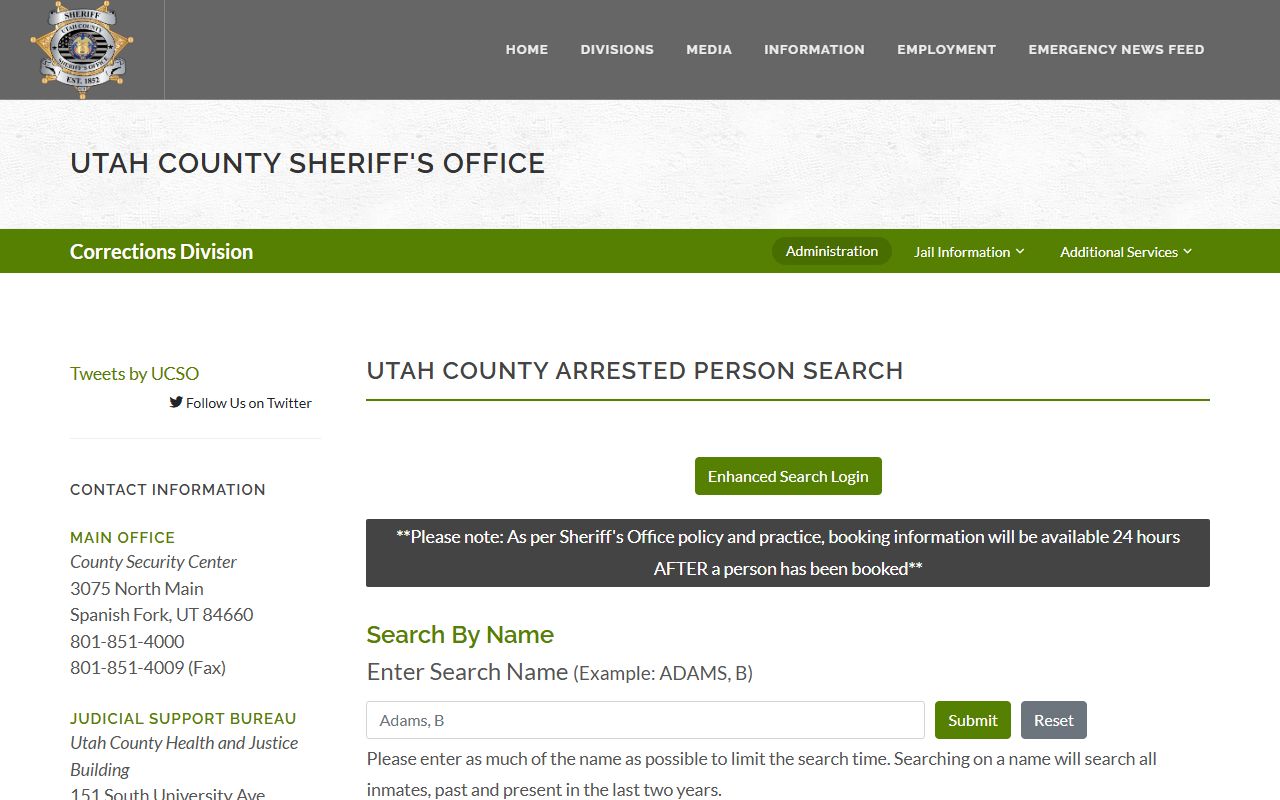
That county image gives the Lehi search a local fallback when a record moves into the county layer.
Lehi People Search and State Records
State records help when the Lehi search turns into a broader case or verification question. XChange is the main public case search layer for Utah courts, and the State Law Library can help if you want to review court access before you ask for copies. That is especially useful when a city record points you toward a court file. The state layer does not replace Lehi or Utah County. It fills the gap between the city file and the full court trail.
The statewide case search at Utah Courts XChange Public Case Search is the best public court tool to keep in view. It can help you check whether a case exists before you contact the county or the city again. If the search needs a broader legal frame, the Utah State Law Library is another helpful stop because it gives you access to court research tools without charging you to think through the path.
State GRAMA rules also matter because they explain how a public request should move once a city or county office gets it. In practice, that means the record may be public even if it is not instant. The state rules keep the process orderly and help you understand why the office asks for a more specific request before it releases a copy.
The statewide case search at utcourts.gov is the right next step when the Lehi trail reaches the court system.
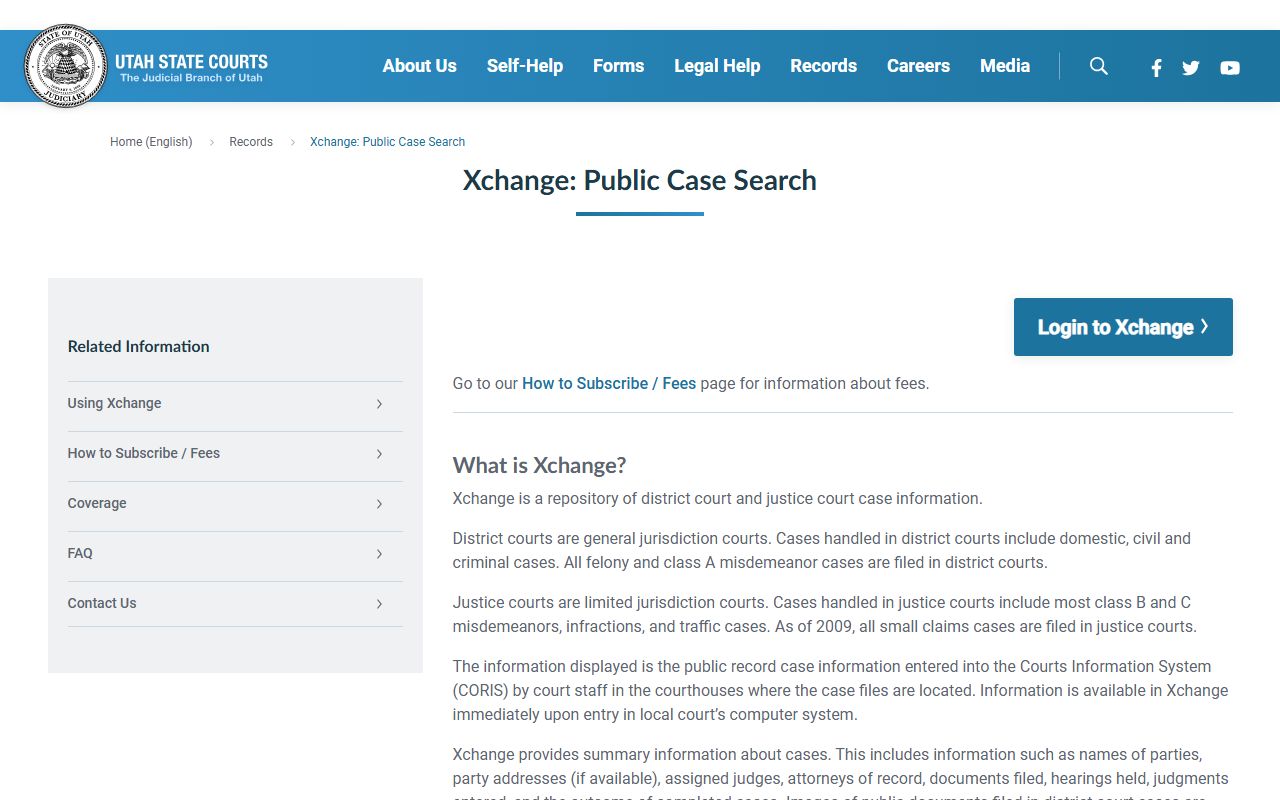
That image gives the state court layer a clear place in the Lehi search path.
Lehi People Search Tips
Lehi searches go faster when you keep the request narrow. A name, a date, a location, or a case number is enough to start. That is true for both the police unit and the city recorder. It is also true when the search moves into Utah County. The more exact the request, the less the city has to guess about what you meant.
If the record is older or partly withheld, do not stop with the first reply. Move to the next office in the chain and keep the record type in view. That is the most reliable way to handle a Lehi People Search because the city, county, and state layers each hold a different piece of the trail.
The city works best when you treat police records, city hall records, county records, and court records as separate lanes. Once you make that split, Lehi becomes much easier to search in a steady way.
Browse Lehi People Search
Use the county and city pages when you want to compare Lehi with the broader Utah County record map. The city page gives you the local entry point, and the county page fills in the next step when the file moves beyond city records.