
Highland People Search Resources
Highland People Search usually starts with the Lone Peak Police Department because Highland contracts with Lone Peak for police services. That means the first record you need may sit with the contract police office rather than a Highland city department. If the lead is a police report, the Lone Peak office is the right starting point. If the trail turns into a county case, a property record, or a court file, Utah County and the state tools can carry the search forward. The important part is to match the clue to the office that actually owns the file before the search gets too broad.
Highland Quick Facts
Highland People Search Sources
Highland keeps the search trail centered on the Lone Peak Police Department. The official police site says the department serves Highland, and the contact details place the office at 5400 W Harvest Lane, Highland, UT 84003, with the phone number (801) 794-3970. That matters because it tells you where police records are likely to start. If the search becomes a county case or a property question, Utah County becomes the next layer. If it becomes a court or historical question, the state tools can finish the trail.
| Office | Use |
|---|---|
| Lone Peak Police Department | Police records and contract-police contact |
| Utah County People Search Resources | County sheriff, court, recorder, and request backups |
| Utah GRAMA | State records access law and response timing |
| Utah Courts XChange | Public case search and court backup |
| Utah State Archives and Records Service | Historical files and older record backup |
The Lone Peak Police Department page is the best first stop for a police-related Highland search because the city relies on that contract service instead of a separate city police desk. That means the officer, report, or records office you need is part of the Lone Peak structure. A request with a date, location, report number, or person’s name gives the office the best chance of finding the file. If the trail moves on to Utah County, the county page on this site can help you follow the next record holder.
Highland People Search work often becomes a county search once the first police record is found. That is normal. A police report can lead to a court file. A city address can lead to a county document. A city incident can lead to a county detention or property record. The job of the county and state layers is to finish the trail without making you guess where the record moved next.
Highland People Search and Lone Peak Police Records
The Lone Peak Police Department is the main starting point when the search begins with an incident, arrest, or report related to Highland. Because the city contracts with Lone Peak, the police file likely sits with that department rather than with a Highland city hall desk. That is why the police office and its contact information matter so much. The office at 5400 W Harvest Lane and the phone number (801) 794-3970 give you the most direct place to confirm how a records request should be handled.
In practice, the cleanest request is the narrow one. Use the date, location, and names involved if you have them. Include a report number if there is one. That gives the department a much better chance of locating the right file. Highland People Search work gets easier when the request goes to the office that owns the police record rather than to a general city contact or a county office that only sees the next layer of the trail.
The official police site at Lone Peak Police Department is the best place to begin when the search is about a police report or other contract-police file.
The GRAMA statute at Utah GRAMA explains the public-record rules behind the request and response process.
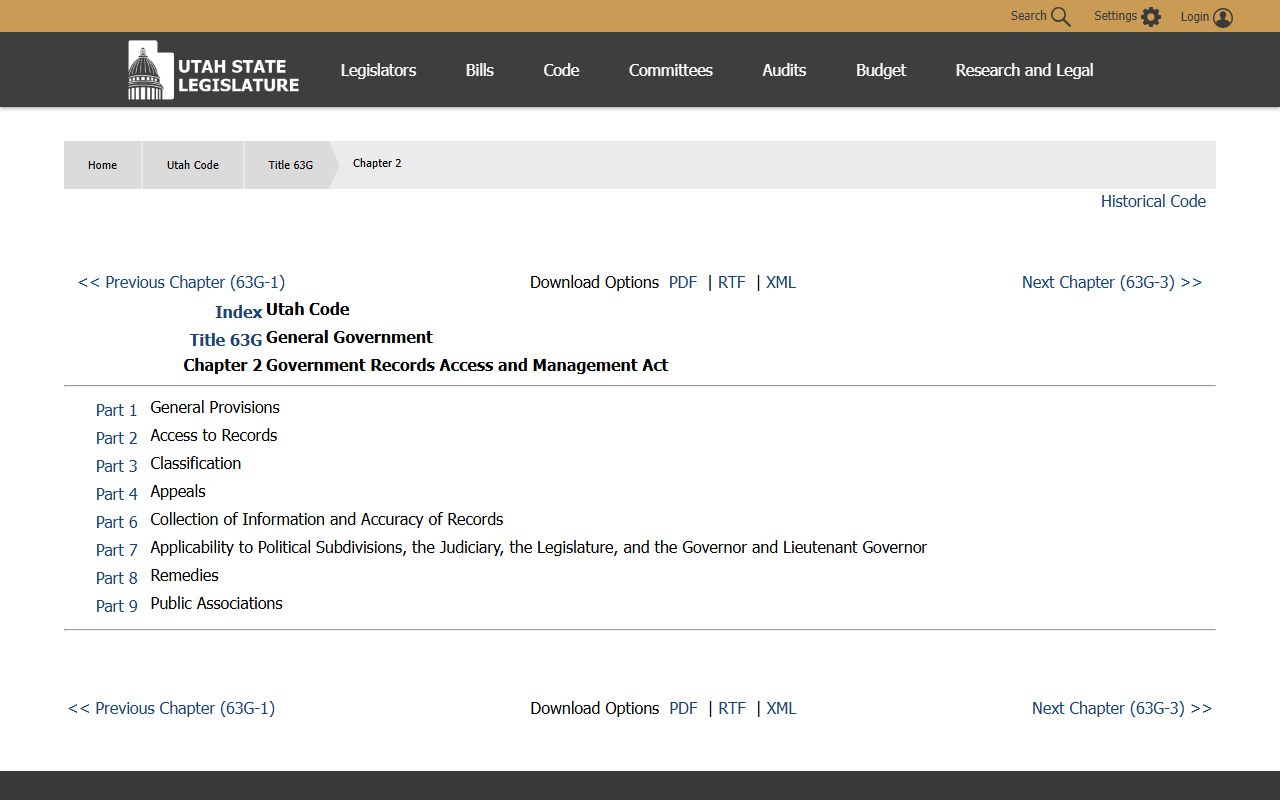
That image marks the records-law path behind a Highland police request and gives the search a clear public-record starting point.
Highland County Backups
Utah County is the natural backup when the Highland police file only gives part of the answer. A report can lead to a county case. A city address can lead to a county recorder file. A county custody question can follow a police incident. The county page on this site keeps the sheriff, recorder, district court, and request paths together so you can continue the search without starting over.
The county recorder is especially useful when the search becomes a property or document question. Deeds, liens, plats, and other recorded papers can confirm the same name or address in a different record set. If the trail turns into a court issue, XChange and the district court can help identify the docket before you ask for a copy. That makes Utah County a practical backup, not just a theoretical one, for Highland People Search work.
The Utah County page at Utah County People Search Resources is the strongest local backup when a Highland search moves beyond the Lone Peak police page.
The county recorder page at Utah County Records Request is also useful when the trail becomes a document or GRAMA question.
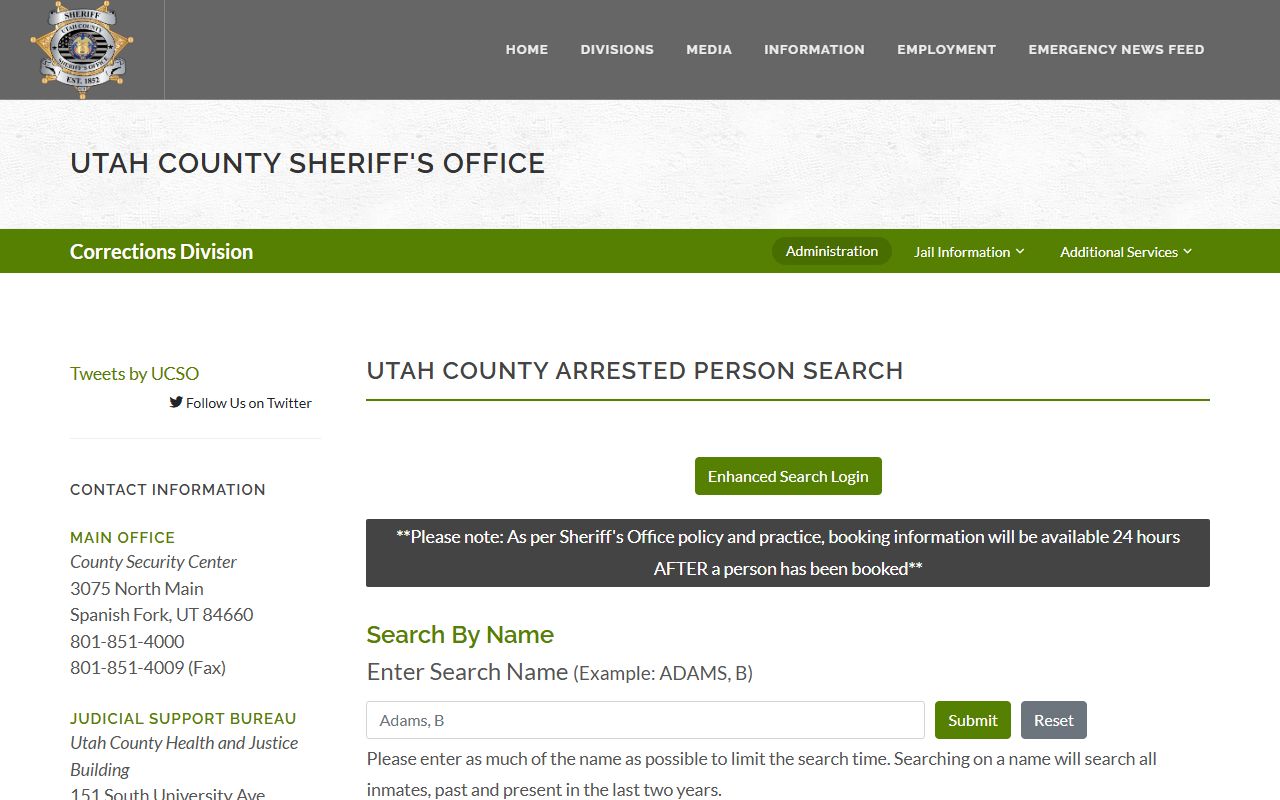
That county image is a practical fallback because contract-police records often move into county records once the first report is identified.
Highland People Search and State Records
Some Highland searches need more than a police record or a county file. They need a court search, an older historical record, or a statewide verification step. Utah Courts XChange is the public case-search layer that helps when the lead turns into a court file. The Utah State Law Library is also useful because it gives you free research help and a way to confirm the next step before you request copies.
The Utah Office of Vital Records and Statistics can help when the search turns into an identity question rather than a police or court question. Marriage and divorce verification can confirm the same person across different files, which is often the missing link in a Highland People Search. If the trail is older, the Utah State Archives can provide the historical record layer that the city and county offices no longer keep at the counter.
The statewide case search at Utah Courts XChange is often the best next step when Highland People Search work needs a court record rather than another police request.
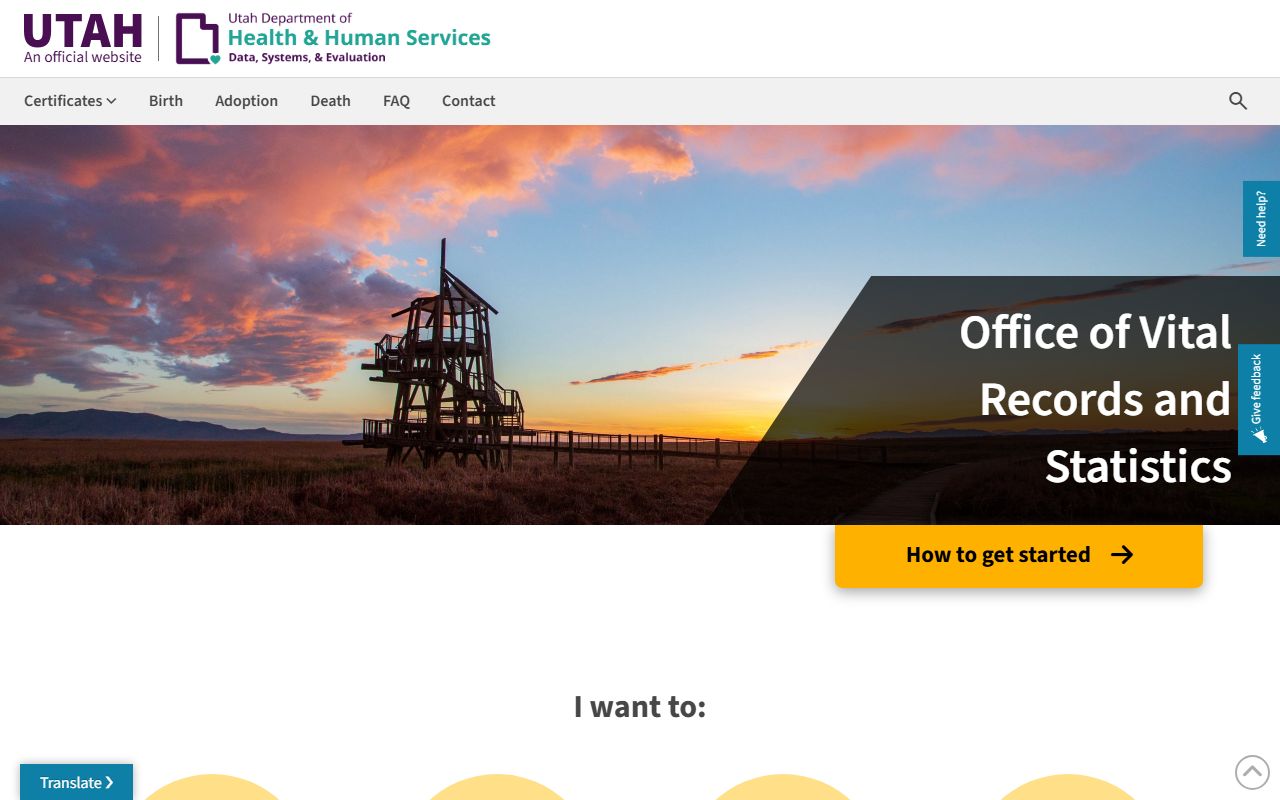
That image marks the state verification path, which is useful when a city or county clue needs a clean identity check or a certified life-event record.
Highland People Search Tips
Keep the request specific. A name, date, location, or report number gives the police office a much better chance of finding the right file. That matters in Highland because the records trail can start with a contract police department and end with Utah County or a state office. If you send a broad request to the wrong office, the search slows down. If you match the clue to the office, the response is easier to use.
It also helps to think in record types before you file. Police reports, county case files, property records, and court files answer different questions. A city or police response may show the event, while the county or state file may show the later case or document trail. Once you know which type you need, the office choice gets easier. Highland People Search work improves when the clue and the office stay aligned.
If the record comes back partly redacted or sealed, do not treat that as a dead end. It often means you need the next office in the chain, not that the record does not exist. Utah County, XChange, and the state archives can keep the search moving without making you start over.
Browse Highland Records
Use the county and city pages when you want a wider Utah County search path. Highland is the local starting point, and the county page fills in the sheriff, court, and request steps when the trail leaves the Lone Peak police page.