
Eagle Mountain People Search Resources
Eagle Mountain People Search usually starts with the Utah County Sheriff's Office because the city contracts with the sheriff for law-enforcement services. That means the first record you need may live with the Eagle Mountain substation, the sheriff records division, or a county case file rather than a city police desk. The city itself still has records tied to city hall, but a police report or incident record typically belongs with Utah County. If the city file is not enough, Utah County and the state court system can carry the search farther without forcing you to start over.
Eagle Mountain Quick Facts
Eagle Mountain People Search Sources
Eagle Mountain has a compact but very county-centered records path. The official substation page gives the city’s law-enforcement address and phone number, while the Utah County Sheriff's Office Records Division handles records requests. That arrangement matters because the record owner is usually not a city police department. Instead, it is the county office that serves Eagle Mountain. If the lead turns into a court file, a detention record, or a county document, Utah County is the next step. If the file is older or broader than the county page can answer, the state court and archive tools can help finish the search.
| Office | Use |
|---|---|
| Eagle Mountain Substation | Local sheriff contact, dispatch, and general questions |
| Utah County Sheriff's Office Records | Incident reports, accident reports, photographs, and GRAMA requests |
| Utah County People Search Resources | County sheriff, court, recorder, and request backups |
| Utah Courts XChange | Public case search and court backup |
| Utah GRAMA | State records access rules and response timing |
The Eagle Mountain substation page lists the office at 1650 E Stagecoach Run in Eagle Mountain and gives the phone number as (801) 798-5600. That is the best starting point when the search begins with a recent law-enforcement event or a local question about who responded. The page also explains that the office is open during weekday business hours and that dispatch handles police-report calls. That gives you a real-world contact point before the request becomes a records question.
The Utah County Sheriff's Office Records Division is the office that processes records requests for sheriff case reports, DI-9 accident reports, photographs, recordings, and other sheriff records. That matters because an Eagle Mountain People Search usually needs the county record owner, not a city office. If the request is about an incident report, use the records division and be as specific as possible. If it turns into a case or warrant question, the county and state tools can help you keep the trail moving.
Utah County becomes the next step whenever the Eagle Mountain search leaves the substation. A city lead can point to a county case. A county case can point to the Fourth District Court. A county record can also lead to a property or marriage record if the question is really about identity or ownership. That is why the county layer is not a backup in the abstract. It is the practical next step when the sheriff records office gives you the first file and nothing more.
Eagle Mountain People Search and Sheriff's Records
The Eagle Mountain substation is the local contact point, but the records trail usually ends at the Utah County Sheriff's Office Records Division. The records division says requests should be as specific as possible and that photo ID is required before records are released. It also says requests are normally allowed through GRAMA and gives the response window. That is exactly what you want in a people search: a specific office, a formal request path, and a clear idea of what kind of file you are asking for.
The official Eagle Mountain page at Eagle Mountain Substation gives you the local office, while the county records page at Utah County Sheriff's Office Records gives you the request process. Together they form the main route for law-enforcement records tied to Eagle Mountain. If you have the date, the names, or the incident location, include them. If you only know part of the story, give the county office the best clue you have and let the records staff narrow it from there.
The records division page also makes clear that photos, recordings, and other sheriff materials are part of the public records process. That is important because a people search can be about more than a paper incident report. It can also involve body camera footage, crash photos, or related materials. If the file is not public, the office can still tell you what route to use next. That is one of the strengths of working through Utah County instead of guessing at the next office.
The county records page at sheriff.utahcounty.gov is the best place to start when the Eagle Mountain lead is a sheriff record rather than a city hall record.
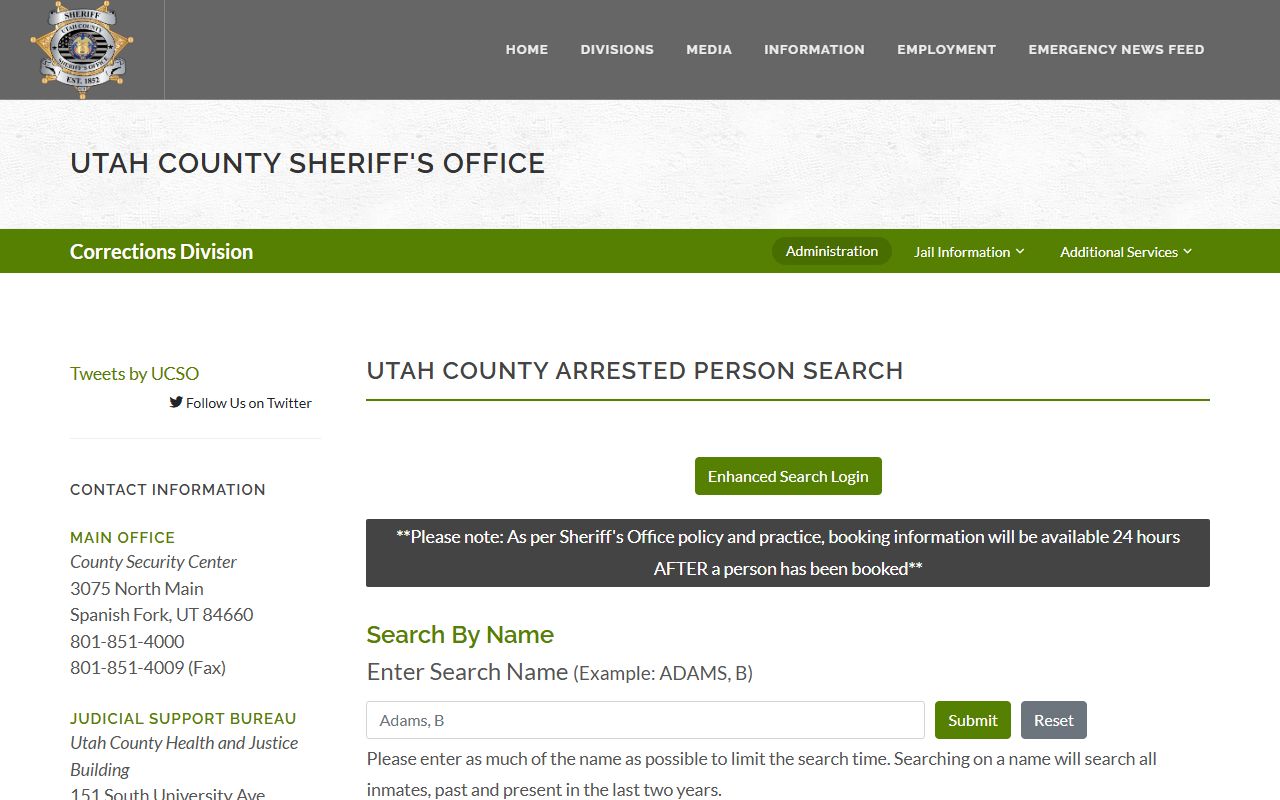
That county image fits the Eagle Mountain search because the law-enforcement file usually sits with the Utah County Sheriff's Office instead of a city police desk.
Eagle Mountain People Search and Utah County Files
Once the sheriff records division has confirmed the first file, Utah County becomes the natural backup. The county page on this site gathers the sheriff, court, clerk, and records paths into one place so you can keep moving when the substation gives you only part of the story. That is common in Eagle Mountain because the city relies on county services for law enforcement. A city lead can become a county report, a county case, or a county document almost immediately.
The Utah County page at Utah County People Search Resources is the best backup when the Eagle Mountain lead moves beyond the substation. From there, you can move into the county inmate search, the Fourth District Court, the GRAMA request portal, or the records bureau. If the search becomes a property question, the county property tools can help. If it becomes a marriage or divorce verification, the county clerk and state vital records tools can help instead.
County request portals matter because they keep the search visible. Utah County’s GRAMA process lets you submit a request with a case number, name, date of birth, or other identifying details. That is useful because the county can route the request to the right office instead of making you guess. It also helps if you need to ask for records by mail or if you need the county to tell you what parts of the file are public.
The county GRAMA portal at Utah County Records Request is a strong backup when an Eagle Mountain search needs a broader county request path.
That county image is a practical reminder that the search often moves from a city location to a county file once the sheriff office confirms the record type.
Eagle Mountain People Search and State Records
Some Eagle Mountain searches need more than a county file. They need a court search, a historical document, or a statewide verification step. Utah Courts XChange is the best public case search layer when a county lead turns into a court matter. The Utah State Law Library is also useful if you want to confirm how to read a case trail before asking for copies. Those tools help you move from a county file to the court or archive level without losing the chain.
The Utah Office of Vital Records and Statistics is a good next stop when the search turns into an identity question rather than a sheriff or court question. Marriage and divorce verification can confirm the same person across different records, and that can be the missing link in an Eagle Mountain People Search. If you are trying to match a name, spouse, or life event, the state record is often easier to use than a county note or incident summary.
The Utah State Archives and Records Service is worth using when the record is older than the active county office can easily pull. Old indexes, historical files, and archived material often move there once the active record trail has ended. That gives you a place to keep going when the county layer only gives you the first part of the story. For longer searches, the state layer can be the difference between a partial answer and a complete one.
The statewide case search at Utah Courts XChange is often the best next step when an Eagle Mountain search needs a court record rather than a sheriff record.
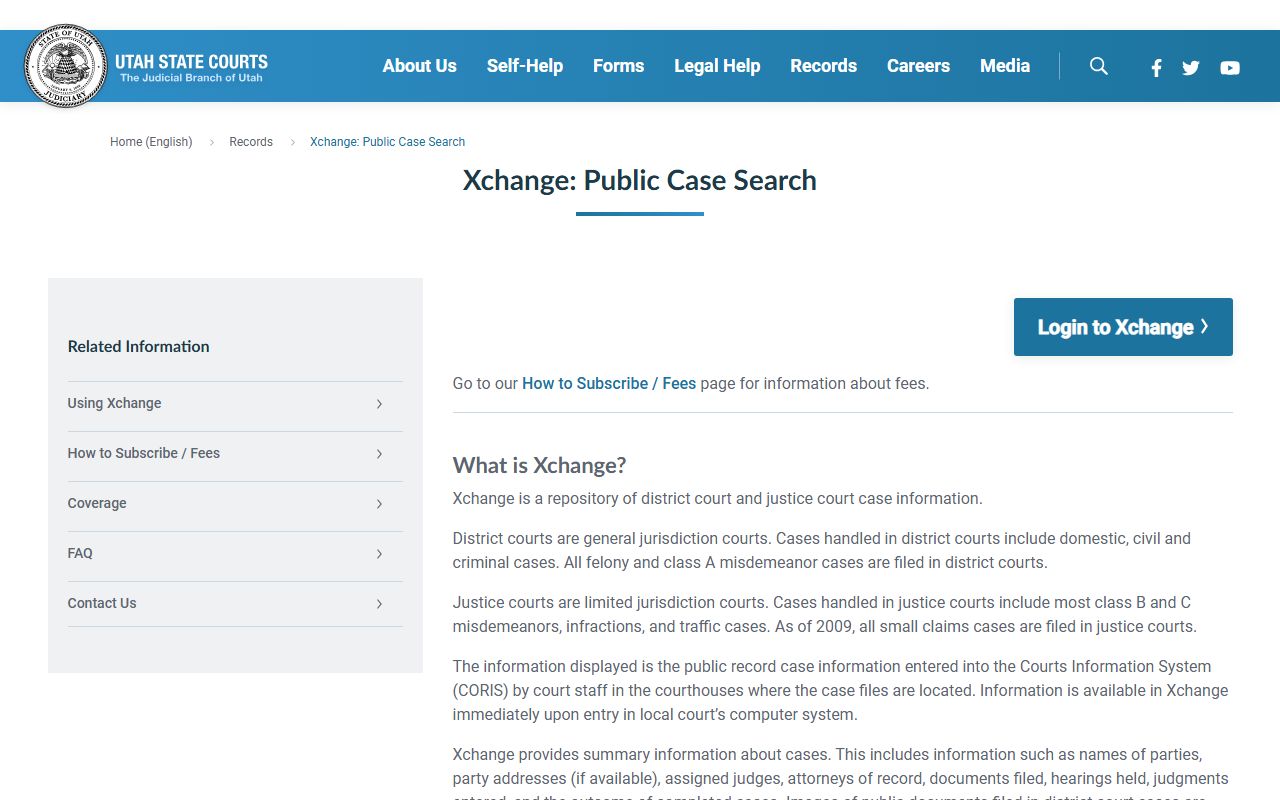
That image marks the state case layer, which is useful when the county trail needs a court check to finish the search.
Eagle Mountain People Search Tips
Keep the request narrow. A full name, a date, a street, or a case number is usually enough to get the right office moving. That matters in Eagle Mountain because the record may start with the substation and end with a county records specialist. If you send a broad request, the office has to do more sorting before it can answer. If you send a specific request, the file is easier to locate and the response is easier to use.
It also helps to think in record types before you file the request. Sheriff reports, county case files, property records, and vital records answer different questions. A city response may show the incident, while the county file may show the later case or document trail. Once you know the type, the office choice gets easier. Eagle Mountain People Search work gets better when the clue and the office match instead of fighting each other.
If the file comes back redacted or partly sealed, do not stop there. It may only mean that you need the next office in the chain, not that the record does not exist. The county page, the court system, and the state archives can extend the search without making you start over. That step-by-step approach is the most reliable way to work through a local record trail.
Browse Eagle Mountain Records
Use the county and city pages when you want a wider Utah County search path. Eagle Mountain is the local starting point, and the county page fills in the sheriff, court, and request steps when the trail leaves the substation.