
South Jordan People Search Resources
South Jordan People Search works best when you separate city police records from broader city GRAMA requests and then move into Salt Lake County only if the record trail points there. South Jordan has its own police department and a city public-records route through the recorder's office, which gives you a more direct local path than starting with a county office first. That matters in a city this size because a local clue can still become a county case, county property record, or court file after the first city response. Keeping those layers in order makes a South Jordan People Search much easier to manage.
South Jordan Quick Facts
South Jordan People Search Sources
The local starting point is the South Jordan Police page. Project research for this build places the department at 1600 W Towne Center Drive, South Jordan, UT, with the phone number (801) 254-4708. South Jordan also has a formal public-records route through the city recorder. The city's Public Records page explains how GRAMA requests should be submitted to the recorder's office. That gives South Jordan People Search two separate local lanes: one for police matters and one for broader city records.
| Office | Use |
|---|---|
| South Jordan Police | City police reports and local law-enforcement contact |
| South Jordan Public Records | City recorder requests and GRAMA routing |
| Salt Lake County People Search Resources | County sheriff, recorder, court, and request backup |
| Salt Lake County Sheriff's Office Inmate Lookup | Current custody and booking search |
| Salt Lake County NextRequest | County records request tracking |
| Utah Courts XChange | Public case search before a copy request |
That split between police and recorder matters because a city records question is not always a police question. Council, contract, and administrative files usually belong with the recorder. Incident reports and police records belong with the police department. Once you know which lane fits the clue, South Jordan People Search becomes much more direct and much less repetitive.
South Jordan also sits in the larger Salt Lake County records map, so a city lead can quickly become a county question. A police report can turn into a county jail record. A city address can turn into a county property trail. A city request can point to a county office that owns the next file. That is why the county and state routes matter on the same page even though the search should still begin locally.
South Jordan People Search and Police Records
The police department is the right first stop when a South Jordan People Search begins with an incident, a report number, or a recent police contact. A local police office can usually tell you whether the file exists, whether it is public, and whether the trail is still local or has moved into county or court records. That first answer matters. It keeps the search tied to a real file instead of a guess.
The official police page at South Jordan Police is the clearest local entry point when the search begins with a city police report or incident trail.

That image works here because South Jordan's police and public-records paths both sit inside the same broader Utah public-records framework even when the city handles them locally.
The city recorder route matters at the same time. The South Jordan Public Records page says the online GRAMA request form should be completed in full and returned to the recorder's office. That makes the city recorder the better route when the search is about city records rather than a police report. A South Jordan People Search is easier when the request goes to the right local desk on the first try.
South Jordan People Search and County Backups
Salt Lake County is the next layer when the South Jordan search needs more than a city response. The Salt Lake County Sheriff's Office Inmate Lookup is the quickest public check when the trail turns into a custody or booking question. If the city clue becomes a county arrest, jail, or sheriff record, the county system is usually the right second step.
The county request path at Salt Lake County NextRequest is also a practical backup when the file belongs to county government and not the city. That digital route makes it easier to track a request once the search moves beyond South Jordan. The county recorder at Salt Lake County Recorder matters when the clue becomes a property or document question. The county page on this site keeps those different routes together so the search can continue without starting over.
The county request route at Salt Lake County NextRequest is the best county backup when a South Jordan search moves beyond city departments.
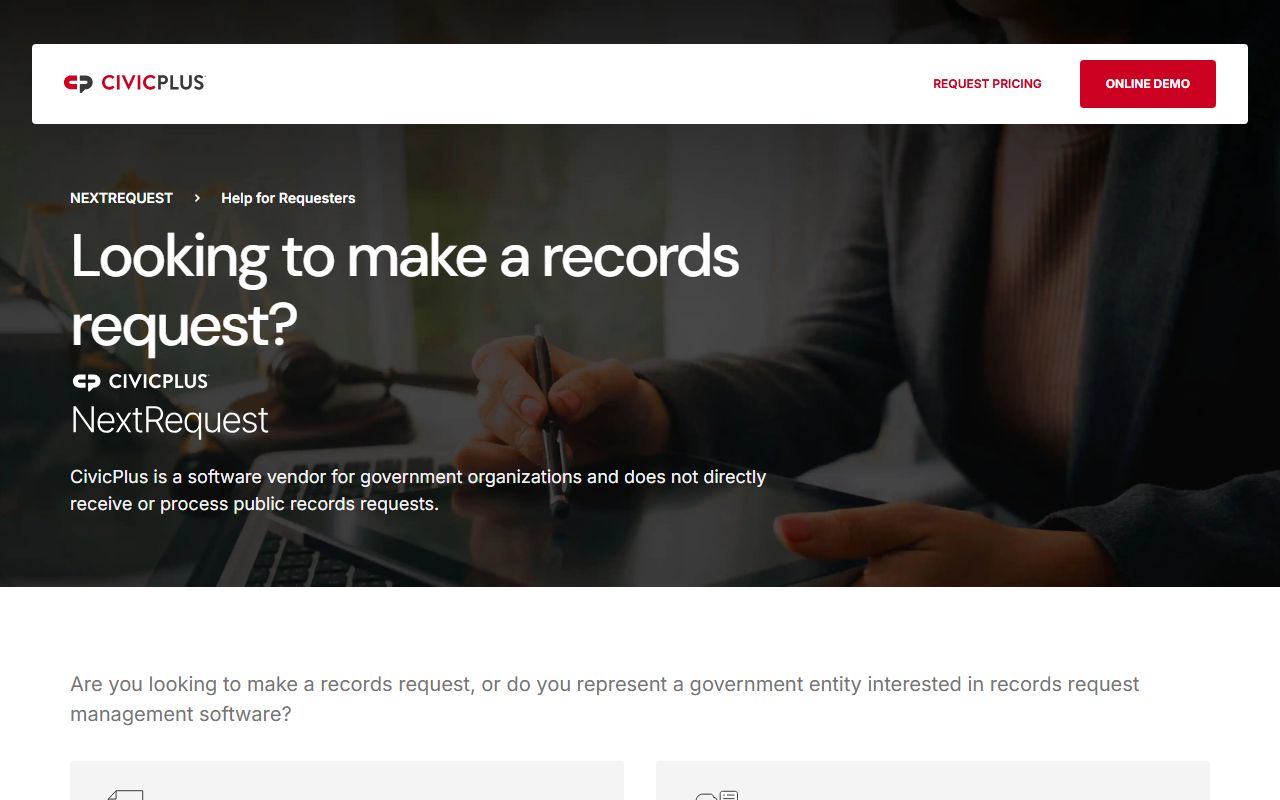
That county image fits the South Jordan trail because many city records questions turn into broader county request or court searches after the local file is identified.
The court layer matters too. The Third District Court is the local district court route for Salt Lake County matters, and the county page at Salt Lake County People Search Resources keeps the sheriff, recorder, and court tools together. That gives the South Jordan search a practical county continuation instead of a second disconnected search.
South Jordan People Search and State Tools
State tools matter when the South Jordan trail becomes a public case search, a statewide verification issue, or a historical records problem. The main court search is Utah Courts XChange. It helps you confirm whether a public case exists before you ask a clerk for copies. The Utah Courts Directory helps you confirm the right courthouse if the county file needs a follow-up.
The statewide case search at Utah Courts XChange is the best state-level follow-up when a South Jordan People Search becomes a public court-file question.
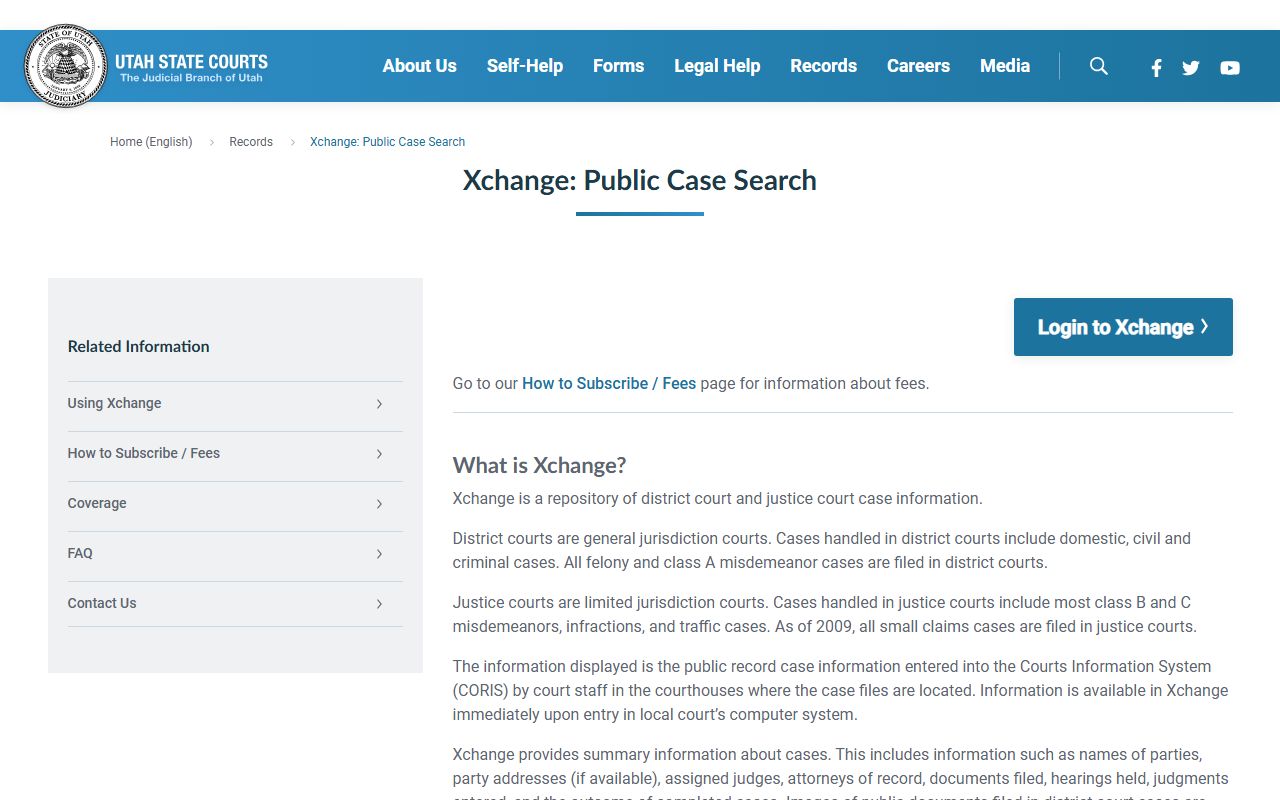
That image marks the statewide court layer, which is useful once the city and county clues point toward a case file instead of another local records request.
State proof and archive sources matter too. The Utah Office of Vital Records and Statistics helps when the search needs a marriage or divorce verification instead of a police or county file. The Utah State Archives and Records Service matters when the record has moved out of the active office stack and into a historical collection. Utah GRAMA at Title 63G Chapter 2 still frames how city and county agencies respond, so it helps explain why some files are public and some need a narrower request.
South Jordan People Search Tips
Keep the request focused. A name, a date, a location, and a record type are usually enough to move a South Jordan People Search forward. That is true for the police department, the recorder, Salt Lake County, and the state court system. The more exact the request is, the less time the office spends trying to sort out the wrong file.
Think in layers. City first. County second. State third. That order gives South Jordan People Search a clean path and helps you avoid asking one office to answer a question that belongs with another. If the first answer is partial, use it as the next clue. That is usually how a local city search becomes a complete public-record trail.
Browse South Jordan People Search
Use the county and city pages when you want a wider Salt Lake County search path. South Jordan is the city starting point, and the county page fills in the sheriff, court, recorder, and request steps after the local file points outward.