
Smithfield People Search Resources
Smithfield People Search usually begins with the city police department because that is where the city sends police record requests through GRAMA. If the clue is a police report, the Smithfield police page is the right starting point. If the trail turns into a county case, a property record, or a court file, Cache County and the Utah court system can carry the search forward. That makes Smithfield fairly easy to navigate once you know which record type you need. The trick is to keep the request narrow and aimed at the office that actually owns the file.
Smithfield Quick Facts
Smithfield People Search Sources
Smithfield keeps the first search path direct. The city police department maintains police records, and the city says those requests are processed through GRAMA. The police office is at 60 S Main St, Smithfield, UT, and the phone number is (435) 563-2751. That is the most important starting point when the lead is an incident, a report, or a recent police contact. A request with a name, date, location, or report number gives the department a much better shot at finding the correct file without a lot of back-and-forth.
| Office | Use |
|---|---|
| Smithfield Police Department | Police records and GRAMA entry point |
| Cache County People Search Resources | County sheriff, recorder, court, and property backups |
| Utah GRAMA | State records access law and response timing |
| Utah Courts XChange | Public case search and court backup |
| Utah State Archives and Records Service | Historical files and older record backup |
The police page is useful because it keeps Smithfield’s records process tied to the office that actually owns the file. A police report is not the same thing as a city council minute or a county court file. If the record belongs to police, the police department is the right place to start. If it belongs elsewhere, the city response often gives you enough information to move to the next office in the chain. That is what makes Smithfield People Search manageable.
Cache County is the next stop when the Smithfield file leaves the city layer. A police report can turn into a county case number, a detention record, or a property document. The county page on this site gathers the sheriff, recorder, district court, and request paths in one place, which makes it easier to continue the search without restarting from zero. That is especially useful when the city response only answers part of the question.
Smithfield People Search and Police Records
Police records are the right first stop when the search starts with an arrest, a collision, or another law-enforcement event. Smithfield says records requests are processed through GRAMA, which means the request should be specific and directed to the right office. A clear request gives the records staff something concrete to work from. If you know the date, the location, or the report number, include it. If you only know the name, use that and add any other detail you have. Small details make a big difference when the office has to locate the correct file.
The department’s address at 60 S Main St also gives you a real-world contact point if the online route is not enough. The police phone number, (435) 563-2751, is the place to confirm how the department wants the request handled. Smithfield People Search work goes faster when the request stays on the police track instead of drifting into city hall or county files before the first record is found.
The official police page at Smithfield Police Department is the cleanest starting point when the search is about a police report or another incident-related file.
The GRAMA statute at Utah GRAMA explains the public-record rules behind the request and response process.
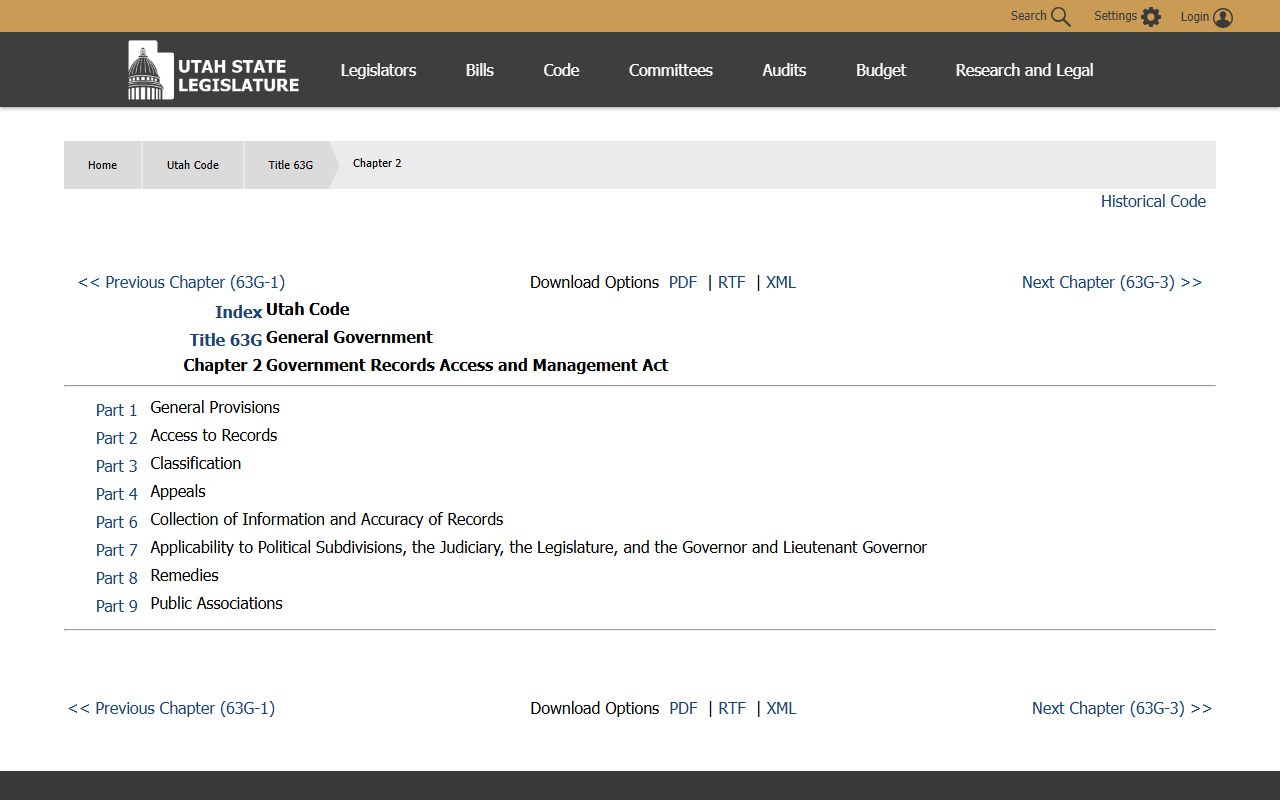
That image marks the public-record law behind a Smithfield police request and gives the search a clear starting point when the lead is an incident or report number.
Smithfield People Search and Cache County Backups
Cache County is the natural backup when the city file does not finish the job. A police report can point to a county case. A city address can point to a recorder file. A city event can point to a county detention or court record. That is why the county page matters. It gives you the sheriff, recorder, district court, and request paths in one place, which lets you move from city to county without losing the trail.
The Cache County recorder is especially useful when the search turns into a property or document question. Deeds, liens, plats, and other recorded papers can confirm the same name or address in a different record set. If the clue moves into the court system, XChange and the district court can help you identify the docket before asking for copies. The county page is a practical backup, not just an abstract one, because many Smithfield searches end up there once the first city record is found.
The Cache County page at Cache County People Search Resources is the strongest local backup when a Smithfield search moves beyond the police department.
The county CORE page at Cache County CORE is also useful when the trail becomes a property or document search.
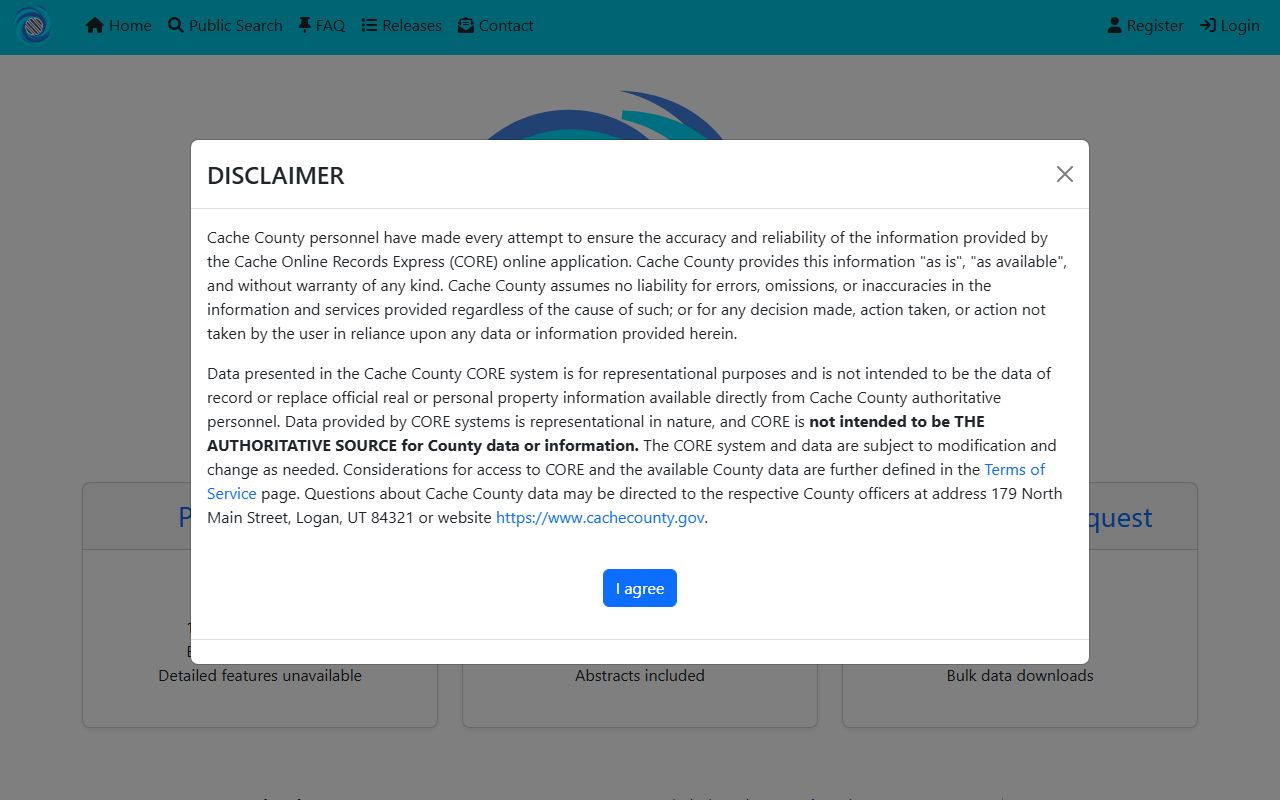
That county image is a practical fallback because city police records often move into county records once the first report has been identified.
Smithfield People Search and State Records
Some Smithfield searches need more than a city report or a county file. They need a case search, a historical record, or a legal-research step. Utah Courts XChange is the public case-search tool that helps when a police clue turns into a court file. The Utah State Law Library is also helpful because it gives you free research support and access to court materials. That is a cleaner way to work than guessing which office owns the next step.
The Utah State Archives and Records Service is useful when the record is older than the city counter can easily pull. Historical files and older indexes often move there after the active office has stopped keeping them at the front desk. The same is true for state vital-records work when a search turns into a verification question rather than a police or court question. State records can give you the missing link that a local file cannot.
The statewide case search at Utah Courts XChange is often the best next step when Smithfield People Search work needs a court record rather than another city request.
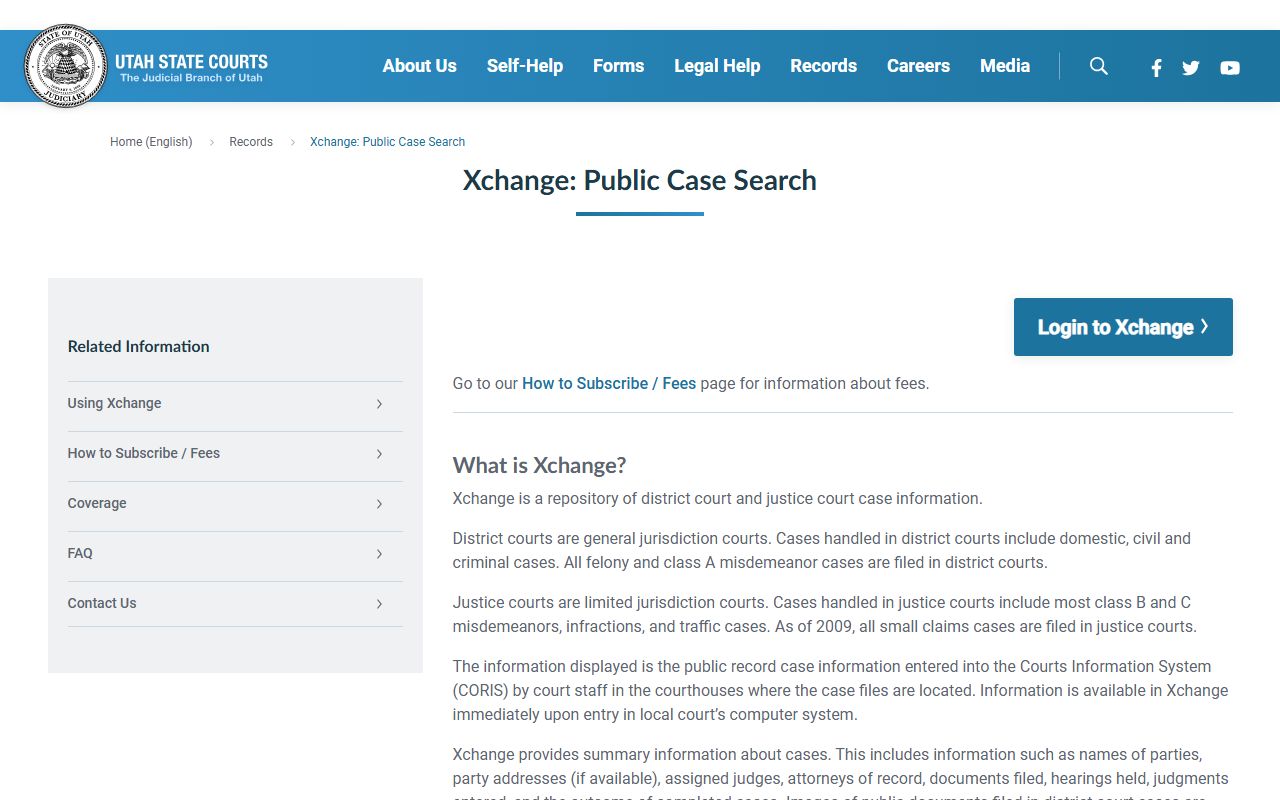
That image marks the state-case layer, which is useful when the city report needs to be matched against a docket or court file.
Smithfield People Search Tips
Keep the request narrow. A full name, date, location, or report number gives the police office a better shot at finding the right file the first time. That matters in Smithfield because the city, county, and state systems each hold different parts of the trail. If you send the request to the wrong office, the search slows down. If you match the clue to the office, the response is usually cleaner and easier to use.
It also helps to think in record types before you file. Police reports, county case files, property records, and court files answer different questions. A city response may show the event, while the county or state file may show the later case or document trail. Once you know which type you need, the office choice gets easier. Smithfield People Search work improves when the clue and the office stay aligned.
If the record comes back partly redacted or sealed, do not treat that as a dead end. It usually means you need the next office in the chain, not that the record does not exist. Cache County, XChange, and the state archives can keep the search moving without making you start over.
Browse Smithfield Records
Use the county and city pages when you want a wider Cache County search path. Smithfield is the local starting point, and the county page fills in the sheriff, court, and request steps when the trail leaves the police records page.