
Search Sandy People Search Resources
Sandy People Search usually starts with a police record or a city request that points you toward a city incident file. If the city page does not finish the job, Salt Lake County and the state court system can extend the search without breaking the trail. That makes Sandy a simple city to work from because the records path is small and the fallback paths are clear. The key is to begin with the exact record type you need. Once you do that, the city records page, the county page, and the state court tools can work together in a steady line.
Sandy Quick Facts
Sandy People Search Sources
Sandy has a narrower public records path than some larger cities, and that can be an advantage. The police records page handles city incident and report requests. Salt Lake County handles the next layer when a city file turns into a county matter. State tools help when the record becomes a case search or a legal verification problem. That means Sandy People Search is less about hunting through many offices and more about choosing the right next step. If the clue is a police event, start with police. If the clue turns into a county or court file, shift outward in order.
| Office | Use |
|---|---|
| Sandy Police Records | Incident reports, accident reports, and police records |
| Salt Lake County People Search Resources | County sheriff, recorder, and district court |
| Utah Courts XChange | Public case search and docket checks |
| Utah GRAMA | Public records request rules and timing |
The city page and county page work together because Sandy sits in Salt Lake County. That matters when the city record becomes part of a county case or property trail. It also matters when a request needs a broader public record search than city hall can give you. The county page is the next safe step in that chain.
Sandy People Search and Police Records
The Sandy Police Records Bureau is the main city stop for incident reports, accident reports, and other police records. The Public Safety Center is at 10000 Centennial Parkway, and the phone number is (801) 799-3000. That gives you one clean place to start if the search begins with a police event. It also tells you which office owns the first version of the record. In a Sandy People Search, that is usually the fastest path forward.
The official page at Sandy Police Records explains that records requests can go in person, by mail, or online. It also says that requesters need to provide case numbers or specific incident details. That is exactly what you want in a people search because the city can locate the file faster when the request is narrow. If the report is public, the city can release it. If the file is partly protected, the request may still produce the public section and point you toward the next step.
Police records are valuable because they show the first public frame of the event. They can include report numbers, dates, and the officers or parties involved. They may not answer every question, but they usually tell you enough to decide whether you need the county page or the state court system. That is why the police records page should come first when the clue is a city event.
The official Sandy page at sandy.utah.gov is the right starting point when the search is about a report or incident file.

That image gives the Sandy police records path a clear visual starting point and keeps the city search tied to the official request page.
Sandy People Search and Salt Lake County Files
Sandy searches often move into Salt Lake County because the city is part of the county record map. That is helpful because the county page on this site collects the sheriff, recorder, district court, and public request paths in one place. If a Sandy report points to a county case or a property record, the county page is the next step. You do not have to start over. You just move from the city office to the county office that owns the next file.
The Salt Lake County page at Salt Lake County People Search Resources is the strongest local backup for a Sandy People Search that leaves city hall. From there, you can move into county law enforcement records, property records, or district court files. That is important because county records often give the broader context behind a city event. A city report may give you the first clue, but the county file can give you the full trail.
The county request layer also helps when the city file is thin or partly redacted. A county portal can track the request, and the county sheriff or recorder may hold the deeper version of the record. That is why the city page and county page should be used as a pair rather than as separate searches.
The county request page at Salt Lake County NextRequest Public Records Portal is a practical fallback when a Sandy search needs a county request trail.

That county portal image helps show where a Sandy search can move when the city file needs county follow-up.
Sandy People Search and State Records
State tools give you the next layer when the Sandy search becomes a court question or a formal records question. XChange is the public case search layer for Utah courts, and the Utah State Law Library can help if you want to understand the case path before you request copies. That is useful when a Sandy record points to a county court file or when you need a state-level verification step. The state tools do not replace the city or county pages. They fill in the legal trail behind them.
The statewide court search at Utah Courts XChange Public Case Search gives you a way to confirm whether a public case exists before you ask for a copy. If the search needs a broader legal check, the Utah State Law Library is another useful stop because it gives you free access to court research tools and a place to sort out the next step. The state GRAMA page also helps explain why the request process works the way it does across Utah.
When the Sandy file is old, the Utah State Archives can matter too. Historical records and older court materials often move there when a modern city page no longer shows the full trail. That is why a Sandy People Search can start local and still end at the state level. The path is orderly, and each office has a clear role.
The statewide court search at utcourts.gov is the best state follow-up when a Sandy search needs the court layer.
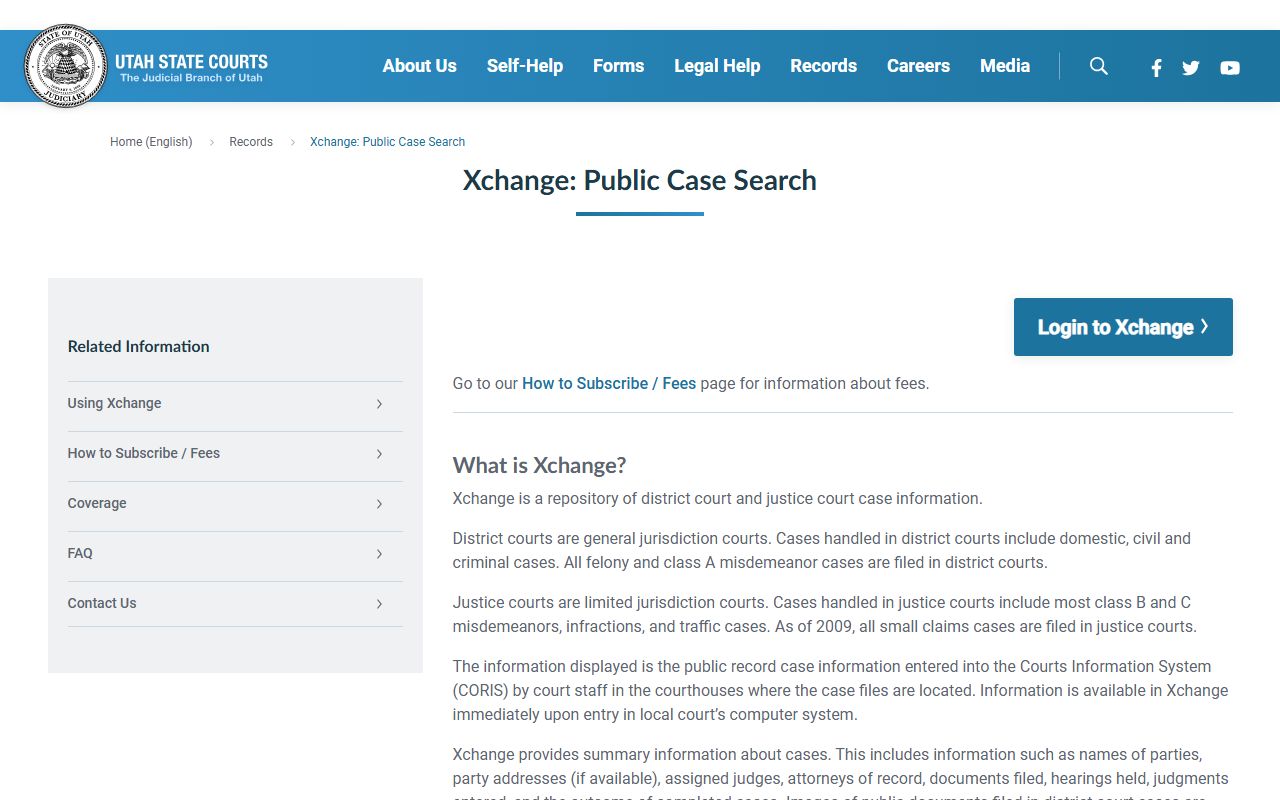
That image gives the state case layer a clear place in the Sandy record trail.
Sandy People Search Tips
Keep the request specific. A name, date, address, or case number is enough to start. That is true for Sandy police records, and it is true when the search shifts to county or state tools. The more exact the request, the less chance the office has to send you back for clarification. That saves time and keeps the trail moving.
If the first reply is partial, do not stop. Move to the next layer in order. City first, county second, state third. That is the easiest way to keep a Sandy People Search from turning into a guess. The offices already divide the records by type, so the search works best when you do the same.
Sandy records are straightforward when you treat the city page, county page, and state tools as parts of one chain. Once you do that, the public record trail becomes easier to read.
Browse Sandy People Search
Use the county and city pages when you want to compare Sandy with the rest of the Salt Lake County record map. The city page gives you the local entry point, and the county page fills in the next step when the file moves beyond city records.