
Midvale People Search Resources
Midvale People Search works best when you begin with the city’s GRAMA process and keep the contract-policing structure in mind. Midvale City uses a public-records request form through the recorder’s office, and city budgeting materials show that the city relies on the Unified Police Department for law-enforcement services. That matters because the first office you need may be city hall for a meeting file, or UPD for a police-related record. Once you know the record type, Salt Lake County and the Utah court system can fill in the next step without making you restart the search from scratch.
Midvale Quick Facts
Midvale People Search Sources
Midvale has a straightforward public-records lane for city hall materials, but its police services are handled through the Unified Police Department structure. The city’s public records page explains the GRAMA request process, and the fee schedule shows that records requests are part of the executive department’s public-record workflow. That means a Midvale People Search often begins with the city recorder for non-police records and with the UPD service structure for police-related records. Salt Lake County is the next stop when the trail leaves the city layer and moves into county records or court files.
| Office | Use |
|---|---|
| Midvale Public Records (GRAMA) | City requests, GRAMA routing, and records fees |
| Salt Lake County People Search Resources | County sheriff, recorder, district court, and request backups |
| Utah GRAMA | State records access rules and response timing |
| Utah Courts XChange | Public case search and court backup |
| Utah State Archives and Records Service | Historical records and older file backup |
The city hall address at 7505 Holden St, Midvale, UT 84047, and the main phone number (801) 256-2500 are the practical starting points for a city records question. If the request is about council minutes, a city document, or another recorder-held file, the Midvale GRAMA form is the right lane. That is also where the fee schedule matters, because the city lists a records-request charge tied to copy costs, research time, and postage. The records process is not just a page; it is the office’s actual workflow.
For police-related matters, Midvale’s budget and public documents show that the city relies on the Unified Police Department for law-enforcement services. That means a police report or incident trail may sit with the UPD structure rather than with a standalone city police desk. In a Midvale People Search, that distinction matters because the wrong office can only give you a partial answer. If the lead is a report, look for the contract police service; if it is a city record, use the GRAMA form and the recorder’s office.
The city GRAMA page at Midvale City Public Records is the best place to begin when the search is about a city file rather than a county case.
Midvale People Search and GRAMA Requests
Midvale’s GRAMA process is the backbone of city hall record access. The page tells residents that the city recognizes the importance of providing access to records under the Utah Government Records Access and Management Act, and the fee schedule confirms that records requests are part of the executive department’s formal process. That is useful because it means a requester can use the same city route for council files, administrative records, and other non-police documents. A concise request with names, dates, and a short record description is much easier for the city to process than a broad question.
For a Midvale People Search, the GRAMA form is especially useful when the question is about a meeting, a city action, or a record that never belonged to law enforcement. The city hall address at 7505 Holden St gives the request a real-world destination, and the phone number (801) 256-2500 gives you a contact point if you need help identifying the right office. If the search becomes a police matter, the contract-policing structure means you should shift to the law-enforcement service side instead of trying to force the city recorder to own everything.
The public-record page at Midvale GRAMA Request Form is the cleanest city-hall starting point for a Midvale People Search.
The city fee schedule at Midvale Fee Schedule is also helpful because it shows the records-request fee structure alongside the rest of the city’s charges.
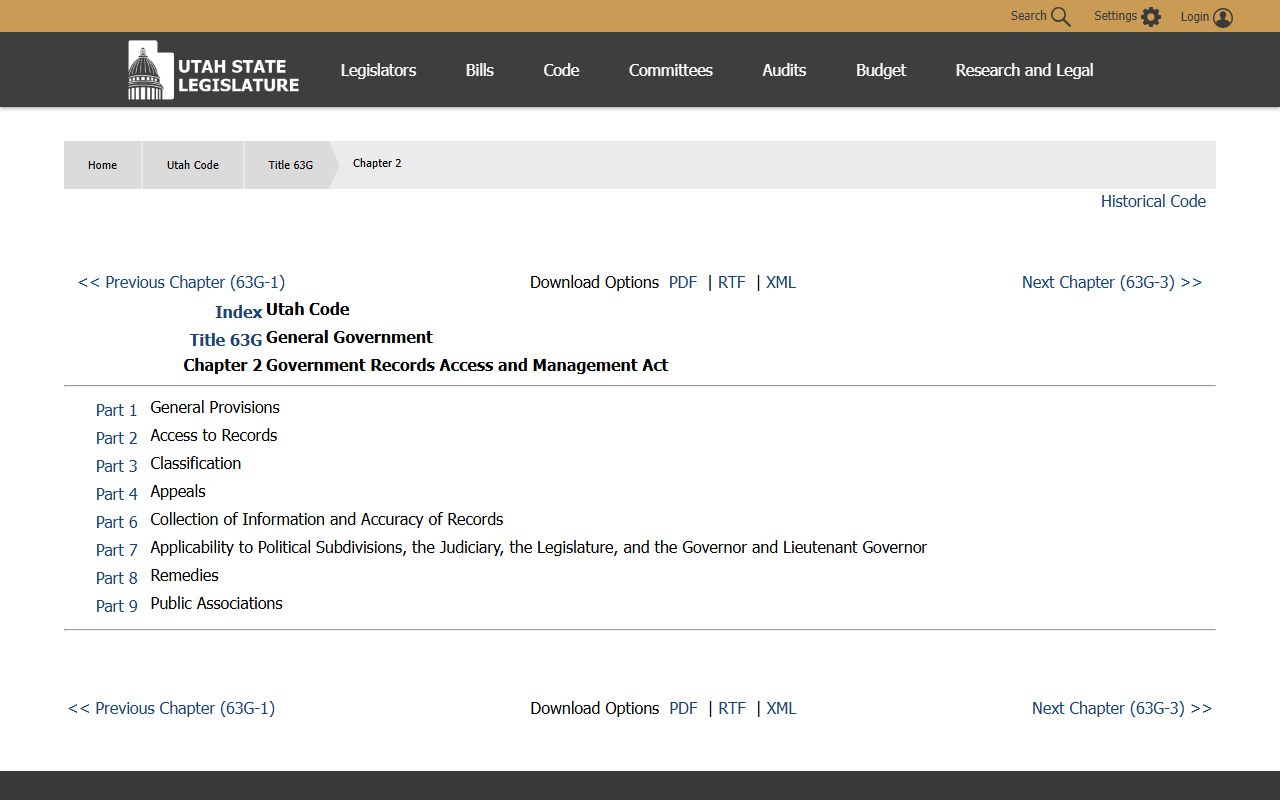
That image marks the GRAMA law behind a Midvale city records request and keeps the search tied to the city’s formal public-record process.
Midvale People Search and Police Records
Because Midvale contracts with the Unified Police Department for law enforcement, a police-related search often starts outside the city recorder’s office. The budget materials make that relationship clear: UPD operates the police precinct and provides shared services for Midvale. That means an incident report, an arrest-related file, or another law-enforcement record may belong to the UPD service structure rather than to a Midvale city police department page. In practice, that changes the request path. You do not want to send a police record question to city hall if the contract service is the real record holder.
The easiest way to keep the search clean is to separate city hall records from police-service records. If the clue is a meeting, a public notice, or a recorder-held document, use the GRAMA form. If the clue is a police incident or a law-enforcement report, use the UPD service structure and the county record trail that follows it. That keeps a Midvale People Search from blurring two different record systems into one request. The result is usually a faster answer and fewer follow-up questions.
The city budget documents at Midvale Budget Book show the UPD relationship clearly enough to anchor the police-service part of the search, even when a standalone police-records page is hard to locate.
That county request image is a practical fallback because UPD-related and Midvale records often move into the Salt Lake County layer after the first public-record request is filed.
Midvale County Backups
Salt Lake County is the next step when a Midvale search grows beyond city hall. A city record can point to a county case, a county property record, or a county detention file. The county page on this site keeps the sheriff, recorder, district court, and request portal in one place, which makes the next step easier to choose. That matters because county records often hold the fuller version of the same person or event that started in a city request.
The county recorder is especially useful when the Midvale clue turns into a property or recorded-document question. Deeds, liens, plats, and other recorded papers can confirm a name or address in a different record set. If the search turns into a court question, XChange and the district court can identify the case before you ask for copies. The county layer is not a detour; it is the natural place where many Midvale People Search trails end up.
The Salt Lake County page at Salt Lake County People Search Resources is the strongest backup when a Midvale search moves past city hall or the contract-police service structure.
The county recorder page at Salt Lake County Recorder is the best fallback when the search becomes a property or document question.
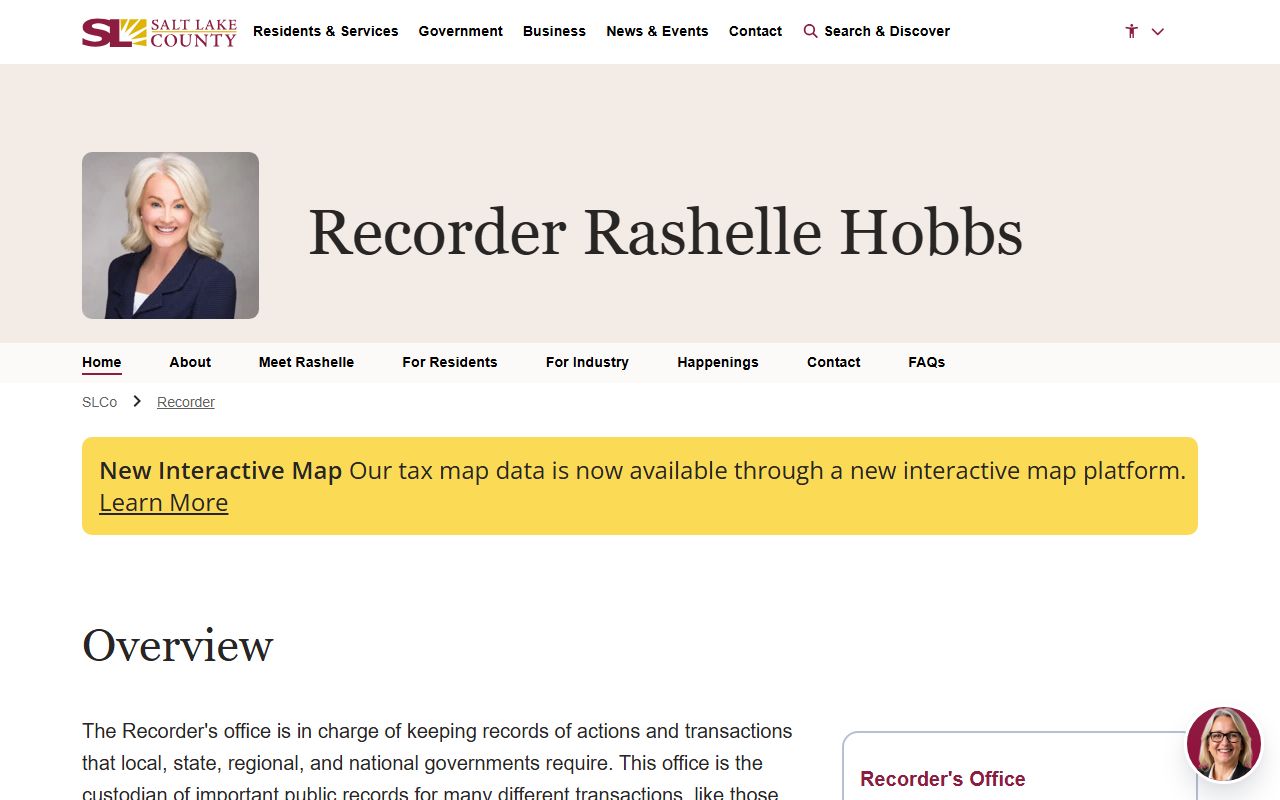
That county image fits the Midvale record trail because city-level questions often become county document searches once the first clue is found.
Midvale State Tools
Some Midvale searches need a broader legal or historical step. Utah Courts XChange is the public case-search tool that helps when a city or county lead turns into a court file. The Utah State Law Library is useful if you want to review the case trail before you request copies. Those tools help you avoid guessing about the next office and make the search more methodical.
The Utah Office of Vital Records and Statistics can also help when the question turns into an identity or life-event search instead of a police or city-record question. Marriage and divorce verification can help connect the same person across different records, which is often the missing link in a Midvale People Search. If the trail is older, the Utah State Archives can provide the historical record layer that the city and county offices no longer keep at the counter.
The statewide case search at Utah Courts XChange is the best next step when a Midvale search needs a court file rather than another city request.
That image marks the state verification path, which is useful when a city or county clue needs a clean identity check or a certified life-event record.
Midvale People Search Tips
Keep the request specific. A name, date, address, or case number gives the city or county a much better chance of finding the right file on the first pass. That matters in Midvale because the records trail can split between city hall and the contract police service. If you are not sure which office owns the file, start with the record type first and the office second. That keeps the request from getting stuck in the wrong queue.
It also helps to treat city hall records, police-service records, county files, and state files as separate lanes. A city response may show the meeting or administrative action, while the county file may show the case or document trail. Once you know the lane, the search becomes easier to follow and less likely to drift into the wrong office.
If the first response is redacted or incomplete, do not stop. Move to the county or state layer and use the city clue as the anchor. That step-by-step approach is the most reliable way to handle a Midvale People Search because the paper trail often spans more than one office.
Browse Midvale Records
Use the county and city pages when you want a wider Salt Lake County search path. Midvale is the local starting point, and the county page fills in the sheriff, court, and record-request steps when the trail moves beyond city hall.