
Logan People Search Resources
Logan People Search works best when the first clue matches the right office. A police incident search can show the event trail. A city recorder record can show a council action or ordinance. A Cache County file can show property or county history. The city gives you a clean path in, and the county and state tools extend that path when the first result is not enough. That keeps the search tight. It also keeps you from guessing which office owns the record. In Logan, the right office is usually the one that wrote the record in the first place.
Logan Quick Facts
Logan People Search Sources
Start with the office that matches the clue you already have. Logan police incident reports are the best fit for a recent event, a nature of incident search, or an incident number. The city recorder is the better fit for council minutes, ordinances, and city archives. Cache County becomes important when the record trail leaves the city desk and moves into property, court, or county records. That is the basic Logan pattern. It keeps the search focused and makes the request easier to write.
| Office | Use |
|---|---|
| Logan Police Incident Reports | Incident searches, date ranges, and incident numbers |
| Logan City Recorder | City council minutes, ordinances, and official city records |
| Cache County People Search Resources | County sheriff, recorder, court, and property fallback |
| Utah Courts XChange | Public court case search when a Logan lead turns into a docket |
The police incident reports page at loganutah.org lets you search by nature of incident, reported date range, and incident number. Some reports can be downloaded right away, while others require a formal request. That makes the page a useful first stop when you need a quick answer or when you are trying to confirm whether the city already has the report you want. The department is at 62 West 300 North, and the phone number is (435) 716-9300.
The city recorder is the right office when the question is civic instead of police related. The recorder keeps council minutes, ordinances, resolutions, and administrative documents at 290 North 100 West. That office is also useful when the search needs a historical city record or a city action that might help explain a later county file. Logan is compact, but its records are still split by function. That is normal. The key is to start with the file type, not the city name alone.
Logan People Search and Incident Reports
The incident reports page is the main city source when a Logan People Search starts with a police event. The page is built for searches by incident type, date range, and incident number. That is useful because it keeps the search narrow. A focused search is easier for staff to process and easier for you to read. If the report is public, the page may let you download it. If it is not, the city may ask for a formal request. Either way, the police page gives you the first layer of the record.
The police office is located at 62 West 300 North, Logan, UT 84321, and the non-emergency number is (435) 716-9300. That matters when you need to confirm the office before you make a request. It also matters when a report number or case date is all you have. The more exact your clue, the less time you spend sorting through possible matches. Logan police records reward that kind of precision.
The city records request process is still shaped by Utah's open records rules. The city has to route the request, review the record, and respond in a set way. That does not mean every file is fully open. It means the city has a clear path for the public record that it does release. If the report is not available, the city may still point you to the next office in the chain.
The Utah GRAMA page at Utah Government Records Access and Management Act explains the rules that sit behind a Logan police records request.
When you prepare a request, keep the key details in one place:
- Full name of the person involved
- Date or date range of the event
- Nature of incident, if known
- Incident number, if available
- Return contact information
The state GRAMA page at Utah Government Records Access and Management Act is a useful reminder that Logan police records are still public records, even when they need a formal request to release the file.
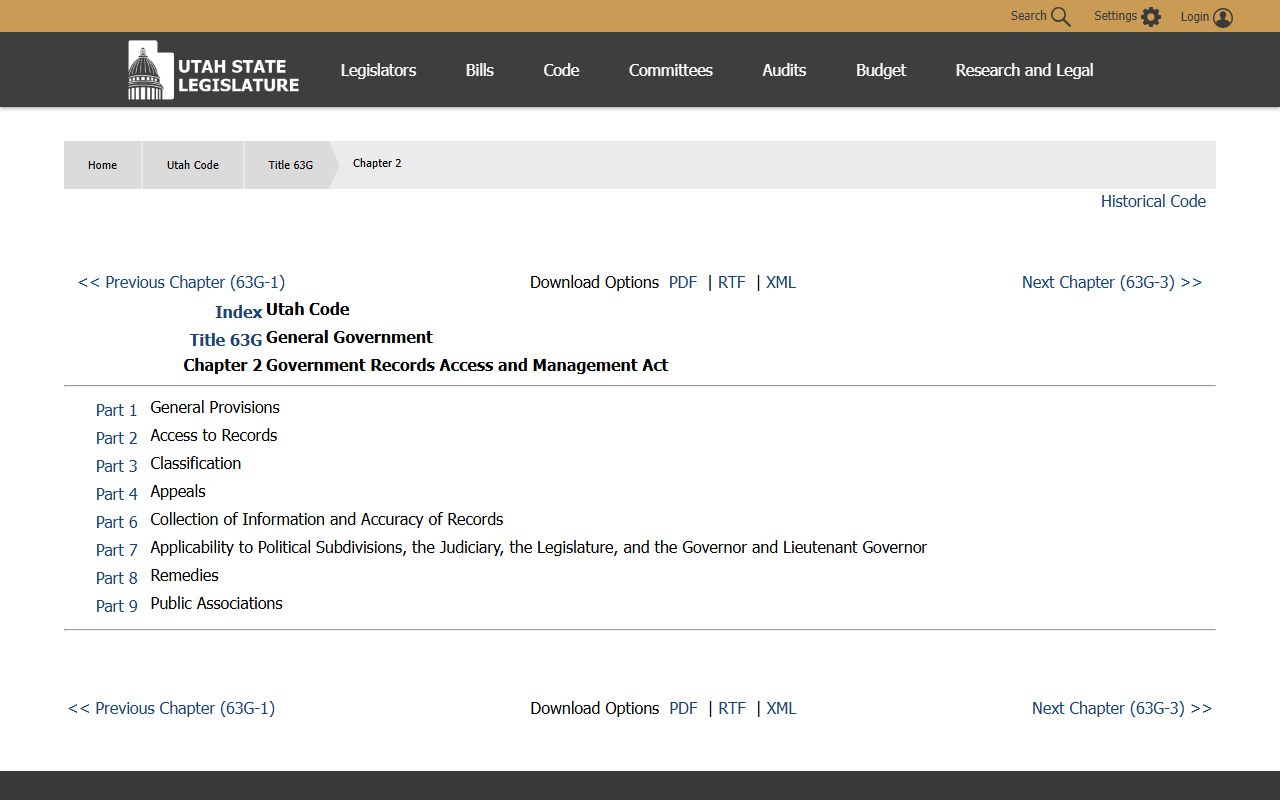
That image gives the request process a clear legal anchor when the city page alone is not enough.
Logan People Search at City Hall
The city recorder is the next lane when a Logan People Search is about a city action rather than a police event. The recorder keeps the city council minutes, ordinances, resolutions, and administrative records that show how a city issue moved through government. That can help when a name or address turns up in a public hearing, a code change, or an official city action. The recorder is the office that preserves the copy, so it is the right place to begin when the clue belongs to city hall.
The recorder's office is at 290 North 100 West, Logan, UT 84321, and the phone number is (435) 716-9000. That contact point matters when you need a city document rather than a report. It also matters when you are trying to confirm whether a city item was posted in the minutes, archived, or routed into a different record set. City hall records can be the missing piece in a people search because they show the public face of a local decision.
Logan's city records are often a good lead when the search needs context. A council minute can show a vote. An ordinance can show a policy change. An administrative document can show a request path or a file reference. That is why a city recorder can be more useful than it first looks. It does not replace a court file. It tells you how the city handled the issue before the county or state record took over.
The Logan City Recorder page at loganutah.org is the best city hall entry when the search needs an official city record rather than a police report.
Logan People Search and Cache County
Logan sits in Cache County, so county records often close the gap when the city pages only give you part of the story. That can happen when a person search moves from a city incident to a county court file, a county property record, or a county request portal. Cache County gives you a wide enough record base to keep the search moving without restarting from zero. That makes the county page a practical second stop for Logan.
The Cache Online Records Express system is especially useful because it reaches beyond one office. It can show property records, marriage licenses, some court information, and document recording data. The Recorder's Office keeps the land record side of the trail, while the sheriff and court pages cover other public records paths. For a Logan People Search, that gives you a broader county view when the city record is not enough on its own.
The county CORE page at Cache County CORE is a good fallback when the Logan clue turns into a land, document, or county record search.
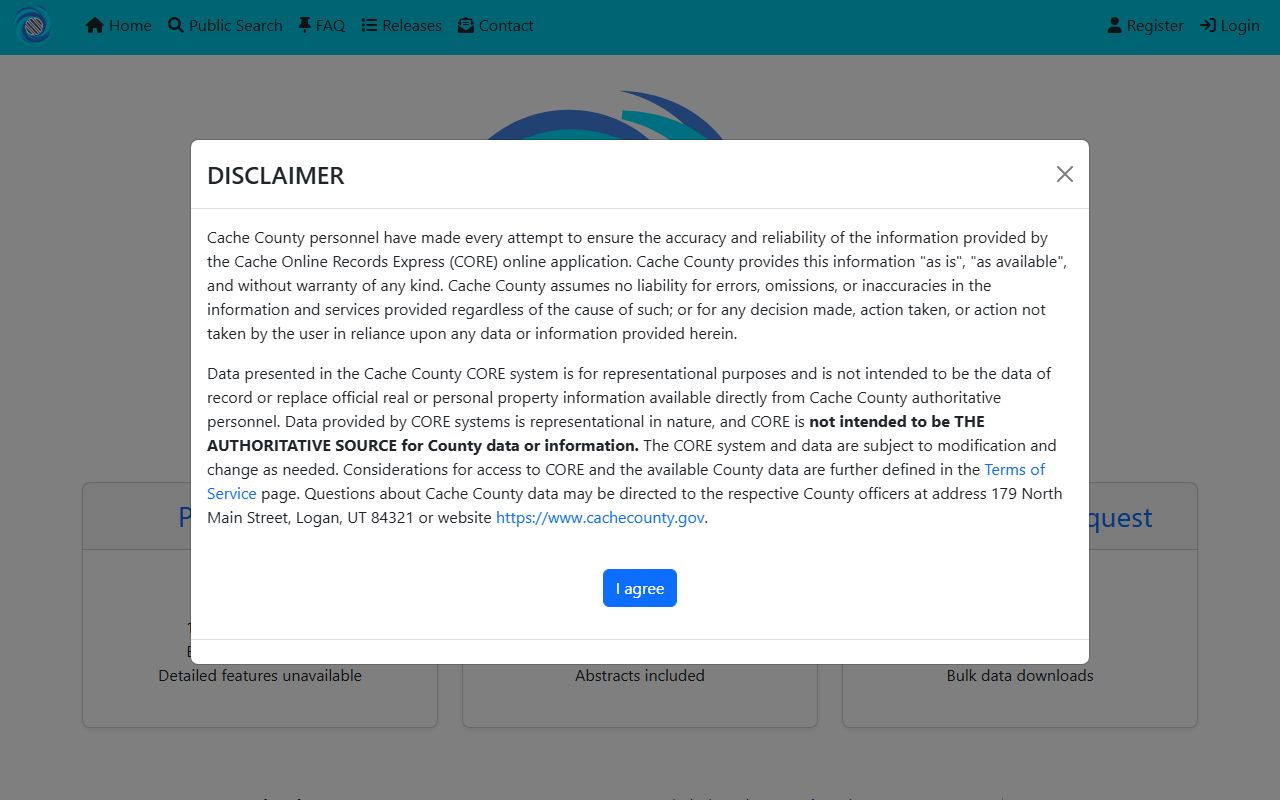
That county image shows the public record layer that often follows a Logan city lead.
The county recorder also matters when you need the paper trail behind a property or document record. The office at Cache County Recorder keeps deeds, mortgages, plats, and certified copies. If the Logan search points to land or a recorded document, this is the office that holds the clean version.
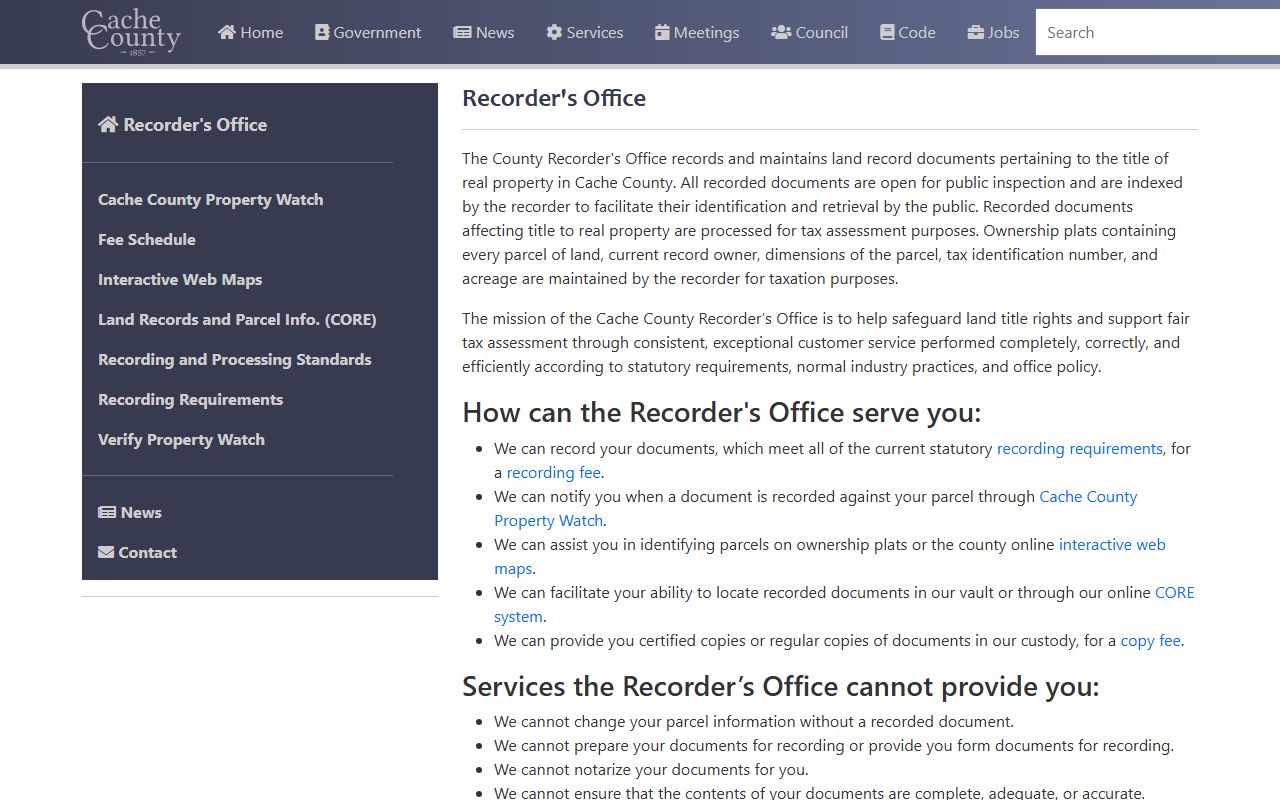
That view is a strong county backup when the city clue turns into a property or recording question.
Logan People Search and State Records
State records can finish a Logan People Search when the city and county pages are not enough. Utah Courts XChange is the main public case search layer. It can show public court data that has already been entered into the state system. That is useful when the Logan lead turns into a case number, a filing, or a hearing trail. The Utah State Courts directory also helps confirm the right courthouse and contact information before you travel or request copies.
The Utah State Law Library is another useful fallback because it gives free public access to legal research tools. If the search turns into a long case trail, that library can help you sort out the court path. If the search turns into proof of a marriage or divorce, the Utah Office of Vital Records and Statistics is the better state source. It can confirm a life event when a city or county file does not answer the identity question.
The statewide XChange page at Utah Courts XChange Public Case Search is the best court tool when a Logan People Search needs a public docket trail.
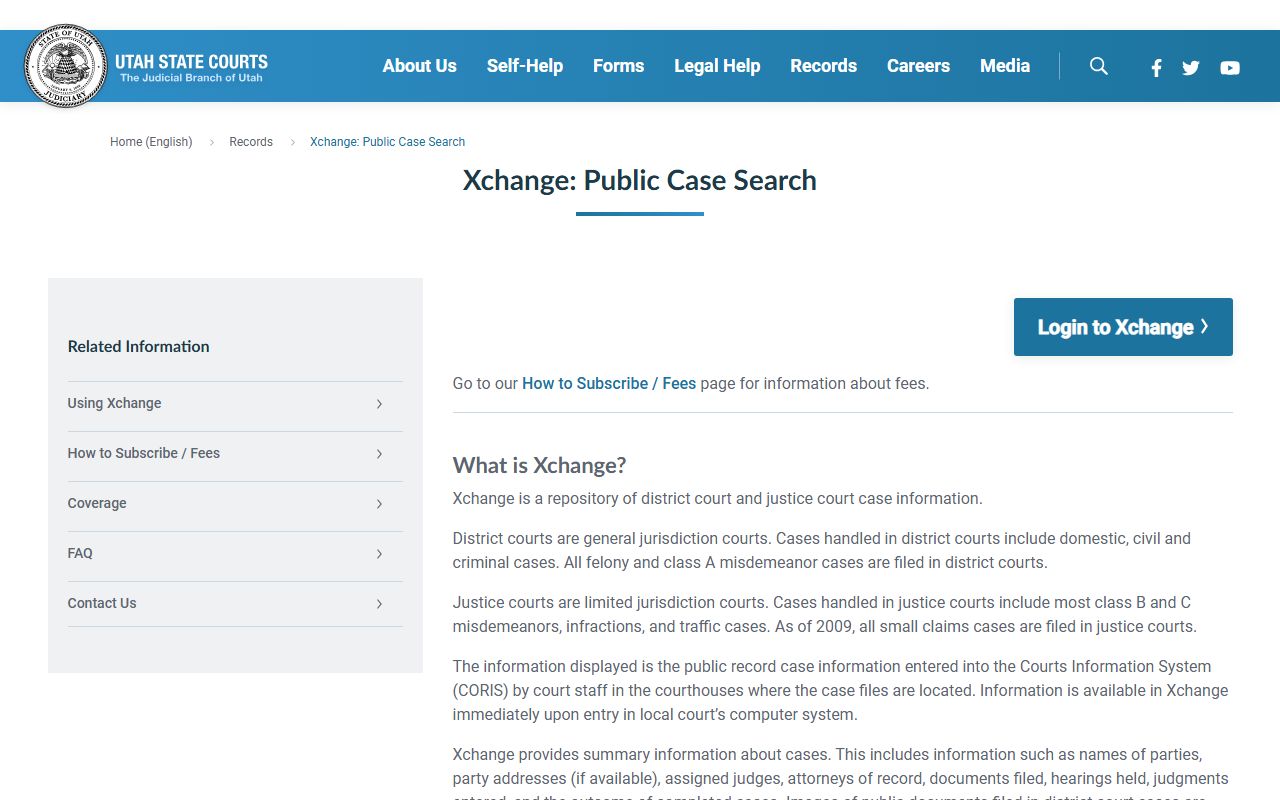
That state image helps when the Logan trail moves from a city record to a public court file.
For older material, the Utah State Archives at Utah State Archives and Records Service can also help. Historical files, microfilm, and older record series often live there after the city or county office has moved on. That is especially useful when the Logan clue is old, vague, or tied to a historical document rather than a current record.
The archives image at Utah State Archives and Records Service is a practical reminder that some Logan searches end in historical material, not a current office.
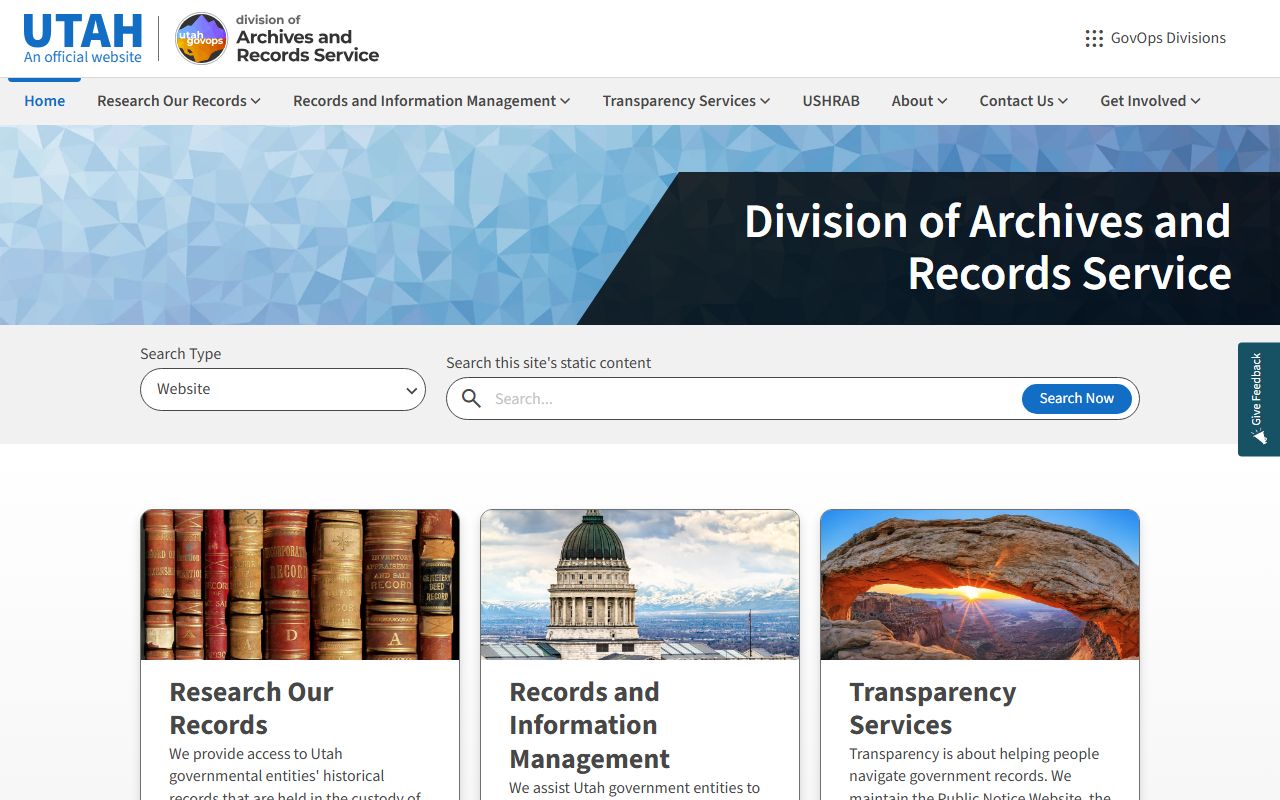
That archive view is useful when the next step is historical, not current.
Logan People Search Tips
Keep the search narrow. A full name, a date, a street, or an incident number is usually enough to start. That matters in Logan because the city, county, and state records all sit in different places. If you send a broad request, the office may have to ask for more detail before it can help. If you send a focused request, you get a cleaner answer and a faster path forward.
It also helps to remember that one file type may not tell the whole story. A police incident report can lead to a county court file. A city recorder document can lead to a county property record. A vital record can confirm whether two names belong to the same person. That is why a Logan search works best when you move from one source to the next in order.
- Use the exact name spelling when you know it
- Add an approximate date or date range
- Keep the location or street in view
- Use incident numbers or case numbers when available
- Match the request to the office that wrote the record
Once you sort the first clue, the rest of a Logan People Search becomes much easier to read. The city gives you the start, Cache County gives you the backup, and the state tools help when the trail gets older or more detailed.
Browse Logan People Search
Use the county and city pages when you want a wider Cache County search path. Logan is the city hub, but the county page fills in the sheriff, recorder, and request steps when the trail leaves city hall.