
Hurricane People Search Resources
Hurricane People Search works best when you start with the city police route and then widen the search to Washington County only if the city record points there. Hurricane keeps a police department page and a records request path tied to GRAMA, which gives you a direct local entry point for reports, incident questions, and other city law-enforcement records. County offices matter after that when the trail grows into a court case, a county clerk record, or a property search. That order keeps a Hurricane People Search focused and helps you move from a local clue to the right county or state source without guessing.
Hurricane Quick Facts
Hurricane People Search Sources
The best local starting point is the Hurricane City Police Department. Project research ties the department to 147 North 870 West, Hurricane, UT 84737, with the phone number (435) 635-9663. The current city police page also notes that department forms are for official police reporting and that GRAMA request submissions should be emailed to `records@hurricane.utah.gov`. That gives Hurricane People Search a clean city path when the clue is a report number, a local incident, or a recent call for service.
| Office | Use |
|---|---|
| Hurricane Police Department | City police records and local public safety contact |
| Washington County People Search Resources | County sheriff, court, assessor, and clerk backup |
| Washington County Sheriff's Office | County law-enforcement records and jail-related follow-up |
| Fifth District Court | County court cases, hearings, and filings |
| Washington County Assessor | Property and ownership records |
| Washington County Clerk | Marriage and county clerk records |
Hurricane sits inside a larger Washington County record system, so local clues often become county questions. A city incident can become a county court file. A city address can become a county assessor trail. A city records request can point you toward a county department that owns the next file. That does not make the city page less important. It makes the city page the first layer that gives the search its initial shape.
That layered structure is the main advantage here. Use the Hurricane police page when the clue is local. Use Washington County when the file leaves the city lane. Use state tools if the trail grows into a court, archive, or statewide verification issue. A Hurricane People Search is much easier to manage when those layers stay in order.
Hurricane People Search and Police Records
The Hurricane police page is the right local source when the search begins with an incident, a recent report, or a city police event. Because the city ties records work to GRAMA, the best request is usually a specific written request rather than a broad question. A name, a date, a location, and a clear record type are enough to give the records side of the department something useful to work with. Broad requests can still be answered, but they often move slower because staff has to narrow the file set first.
The official police page at Hurricane City Police Department is the clearest local starting point when a Hurricane People Search begins with a city police file or report.
That image fits this section because Hurricane records requests still move through Utah's GRAMA framework, which shapes how city police records are reviewed and released.
Police files often provide the first public version of an event. They can show the incident date, the place, the report trail, and whether the matter stayed local or moved deeper into the county system. That is why the city police route matters even when it is not the last stop. It gives the search its first verified clue and makes the later county and court steps more precise.
Hurricane People Search and County Backups
Washington County is the next layer when a Hurricane search needs more than the city police page. The Washington County Sheriff's Office is the main county law-enforcement backup, especially when the city clue turns into a jail, warrant, or county records question. The sheriff path is useful because it keeps county law-enforcement records in one place and gives you a broader view than a city report alone can provide.
The county backup path at Washington County Sheriff's Office is the first county step when a Hurricane People Search moves beyond the city police desk.
That county image works here because Hurricane searches often become broader county document or property questions after the first city clue is identified.
The county court route matters just as much. The Fifth District Court - Washington County is the main public court layer for county filings and hearings. The Washington County Assessor helps when the search turns toward an address or ownership trail. The Washington County Clerk matters when the question becomes a marriage, county record, or clerk-managed file. The local county page on this site keeps those routes together so the Hurricane trail can continue without being rebuilt from scratch.
Hurricane also sits near St. George, and the county research includes useful neighboring record paths such as the St. George Police Records Division and the St. George Police GRAMA Portal. Those are not substitutes for Hurricane records, but they help show how records requests are handled in the same county environment once a search spreads beyond one city.
Hurricane People Search and State Tools
State tools become important when the Hurricane trail turns into a case search, a historical record problem, or a statewide verification issue. The first public court tool is Utah Courts XChange, which helps confirm whether a public case exists before you ask a clerk for documents. If you need help locating the right courthouse or clerk office, the Utah Courts Directory gives you that routing information in one place.
The statewide court search at Utah Courts XChange is the best state-level follow-up when a Hurricane People Search reaches the court system.
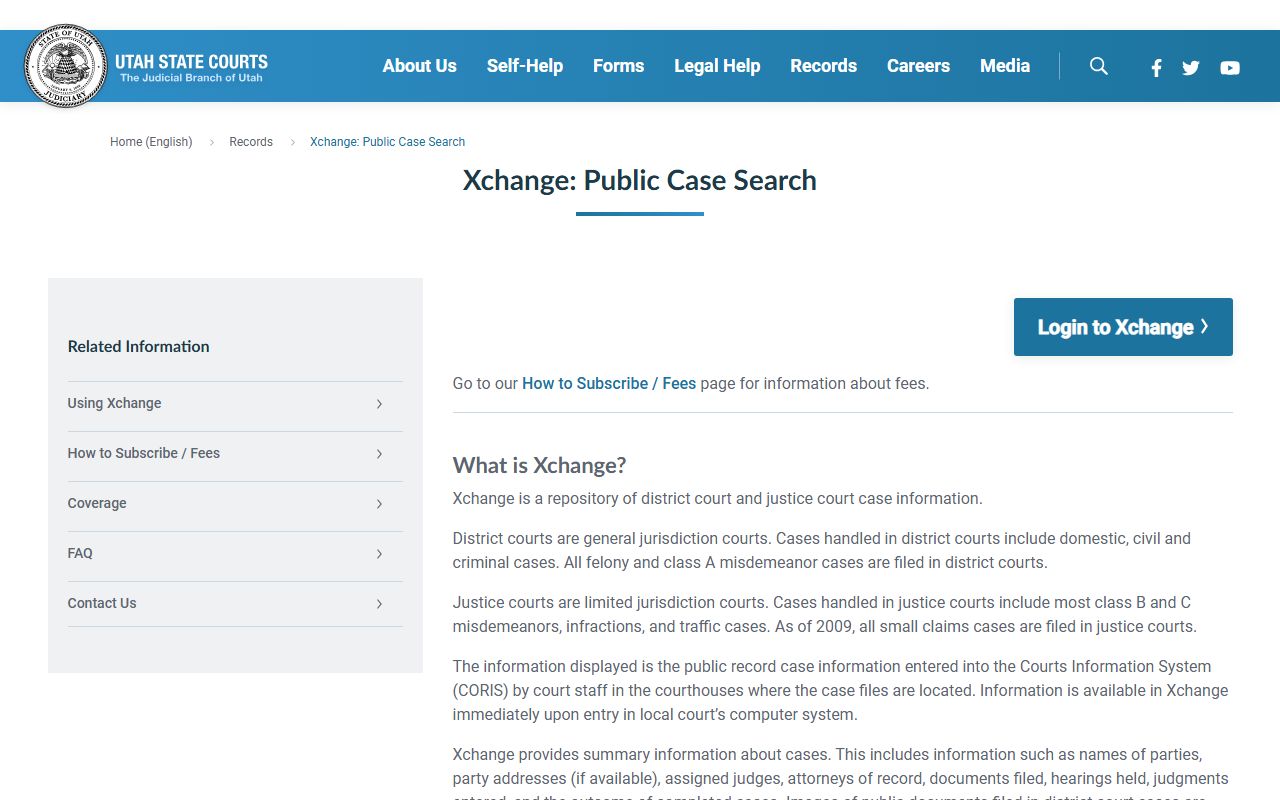
That image marks the statewide court layer, which is useful once the city and county clues point toward a public case instead of another police file.
Older and proof-based searches can also move into the Utah State Archives and Records Service or the Utah Office of Vital Records and Statistics. The archives help when a record has aged out of the active office stack. Vital records help when the search needs a marriage or divorce verification instead of another city or county report. Together with Utah GRAMA, those state sources help explain why some records are public, some are protected, and some need a narrower request before release.
Hurricane People Search Tips
Keep the request focused. A name, a likely date, a city location, and a record type are usually enough to move a Hurricane People Search forward. That is true for the city police route, the county offices, and the state court system. The more exact the request is, the less time the office spends trying to figure out what you meant.
Think in layers. Hurricane first. Washington County second. State tools third. That order keeps the search organized and helps each office work on the part of the trail it actually owns. If the first answer is partial, use it as the next clue instead of starting over. That is usually how a local Hurricane search becomes a complete public-record trail.
Browse Hurricane People Search
Use the county and city pages when you want a wider Washington County search path. Hurricane is the city starting point, and the county page fills in the sheriff, court, assessor, and clerk steps once the record leaves city police hands.